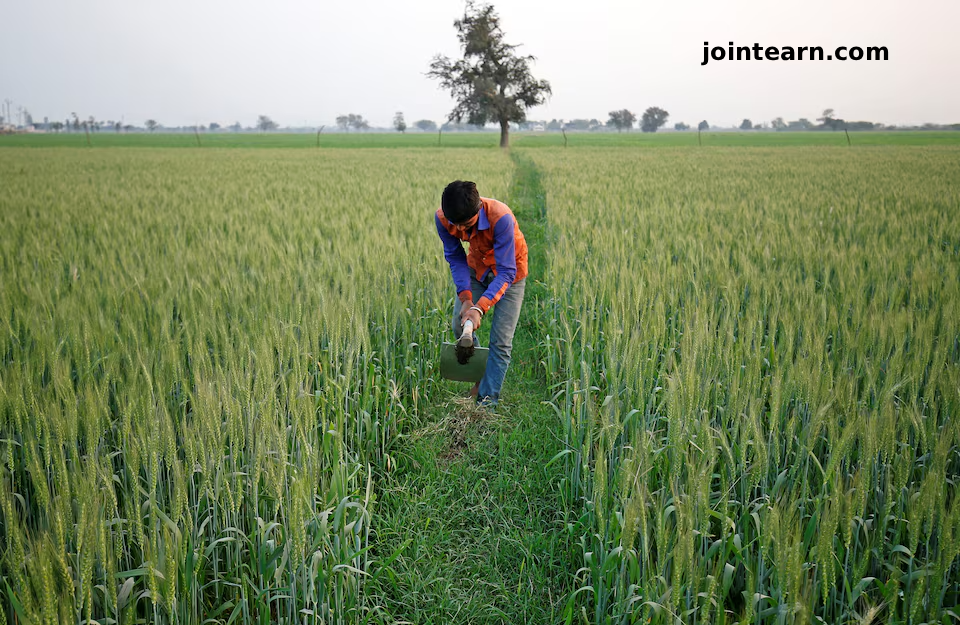
India Prepares for Record Wheat Planting Amid Favorable Weather and Rising Prices
MUMBAI, November 18, 2025 – India’s wheat farmers are preparing to plant a record-high acreage this season, with sowing expected to rise by about 5%, supported by improved soil moisture from October’s heavy rains and rising wheat prices. Analysts say the expansion could boost India’s wheat output, stabilize domestic prices, and allow for limited wheat flour exports from the world’s second-largest wheat producer.
Strong Rainfall and Soil Moisture Drive Planting
October saw 161% more rainfall than average in India’s key wheat-growing regions in the northwest, resulting in overall surplus soil moisture of 49% nationwide. The timely rains have encouraged farmers to shift from rainfed crops, such as chickpeas, to wheat, particularly in states like Uttar Pradesh, Madhya Pradesh, and Rajasthan, which rely on seasonal rainfall.
“Given the higher soil moisture at this time due to increased rainfall, wheat sowing and production are expected to surpass all previous record highs,” said Nitin Gupta, senior vice president at Olam Agri India.
Wheat Acreage and Regional Trends
As of November 14, 2025, wheat had already been sown across 6.62 million hectares, up 17% from the previous year, according to India’s Ministry of Agriculture & Farmers’ Welfare. For the 2025/26 season, total wheat planting is projected at approximately 35.87 million hectares, compared with last year’s record 34.16 million hectares, based on estimates from industry experts.
Northern states such as Haryana and Punjab, which benefit from reliable irrigation, are expected to maintain steady acreage. Meanwhile, farmers in other regions are increasingly favoring wheat due to favorable soil conditions and price incentives.
Government Price Support Boosts Farmer Interest
The Indian government’s decision to raise the minimum support price (MSP) for wheat by 6.6% to 2,585 rupees per 100 kg is expected to further encourage sowing. Ajay Goyal, managing director of Shivaji Roller Flour Mills, said the price hike makes wheat an attractive crop choice for farmers, supporting domestic supply and mitigating past shortages.
Weather Outlook and Yield Expectations
Optimal wheat production depends on cold winter temperatures from January through March. The La Niña weather pattern, historically associated with colder winters in northern India, is expected to persist during this period, enhancing conditions for high yields.
“The temperatures in northern and central India have been dropping over the past few days, which is great news for the wheat crop,” said a Mumbai-based trade dealer.
Historical Context
India banned wheat exports in 2022 after extreme heat and adverse weather conditions in 2022 and 2023 reduced yields and wheat reserves, pushing domestic prices to record highs. However, 2025 saw a record harvest of 117.5 million metric tons, replenishing stocks and potentially opening opportunities for limited exports, depending on domestic demand.
Key Takeaways
- India’s wheat planting projected to rise 5%, reaching record acreage in 2025/26.
- October rainfall and higher soil moisture encouraged farmers to switch from rainfed crops to wheat.
- Government raised wheat minimum support price to incentivize production.
- La Niña-driven cold winter forecast supports higher yield potential.
- Record wheat harvest of 117.5 million metric tons improves supply and export prospects.


Leave a Reply