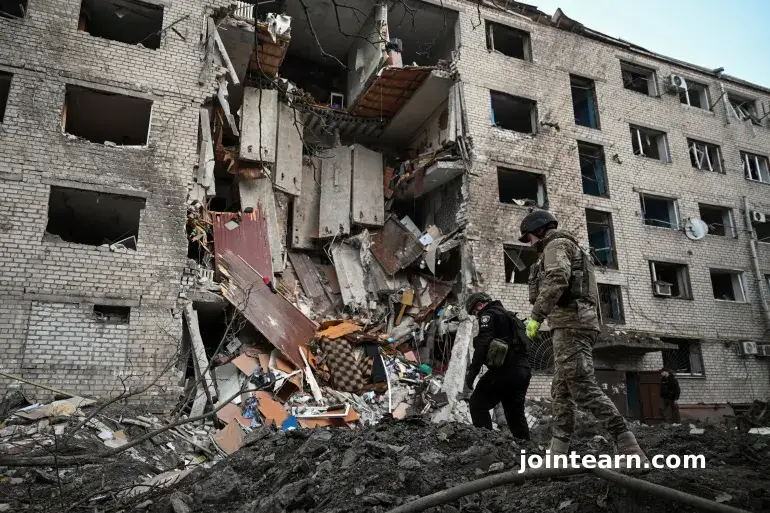
Zaporizhzhia, Ukraine – Tensions are escalating in Zaporizhzhia, the southeastern Ukrainian city straddling the banks of the Dnipro River, as Russian forces make significant advances toward the strategic town of Huliaipole. Recent reports indicate that Moscow has intensified its offensive using glide bombs, drones, and smoke-screen tactics to obscure its ground operations.
Current Frontline Situation
The frontline on the eastern bank of the Dnipro River has moved alarmingly close, with Russian forces now only 40 kilometers (25 miles) away from Zaporizhzhia city proper, the administrative capital of the region. Despite partial occupation since 2022, Russian military pressure is increasing, leaving the city’s 700,000 residents anxious and fearful.
The conflict has been compounded by the use of highly destructive glide bombs, capable of gliding for dozens of kilometers and bypassing Ukrainian air defenses. These weapons have destroyed entire apartment buildings, keeping residents on constant alert, especially at night.
Huliaipole: Strategic Importance
Huliaipole, a town of approximately 20,000 residents, has historically served as a key defensive hub for central Ukraine. Today, it remains a crucial logistical center for Ukrainian forces. Analysts warn that Russian troops are now just 4 kilometers (2.5 miles) from the town, able to strike with mortars, and may encircle it by mid-December if Ukrainian command fails to respond decisively.
Lieutenant General Ihor Romanenko, former deputy head of Ukraine’s general staff, told Al Jazeera, “The situation became dire. Russian forces moved forward, seizing villages and closing in on Huliaipole.”
Russian Tactics and Military Advantage
Experts note that Russia’s advance in Zaporizhzhia benefits from the open landscape, sparse trees, and small villages, unlike the fortified northern Donetsk region. Moscow has also employed smoke-topped wheeled robots (“couriers”) to conceal troop movements from Ukrainian reconnaissance drones, facilitating deep breakthroughs of up to 15 kilometers (9.3 miles) into Ukrainian-held territory.
Nikolay Mitrokhin, a researcher at Bremen University, warned that the fall of Huliaipole could occur “fast, possibly without much fighting,” dealing a significant blow to Ukrainian morale.
Ukrainian Command Challenges
Analysts attribute some setbacks to slow decision-making and inefficiencies in Ukraine’s military leadership. Despite having sufficient reserves, Ukrainian commanders often delay deploying troops effectively, which allows Russian forces to consolidate positions and create new fronts.
Social media commentary reflects public concern: Lawmaker Mariana Bezuhla warned, “Say goodbye to the town… The fighting will soon reach Huliaipole itself.” Popular nationalist blogger Serhiy Sternenko added, “We’re moving towards a catastrophe of strategic scale that could lead to the loss of our statehood.”
Civilian Impact
Few residents remain in Huliaipole, primarily the elderly, unwilling or unable to leave their homes, livestock, and possessions. In the frontline town of Orikhiv, empty streets, damaged buildings, and anti-drone nets illustrate the human toll of Russia’s ongoing bombardment. Psychologist Tetiana described the pervasive anxiety among residents: “There’s a feeling that maybe at some point we’ll have to leave… There’s a readiness.”
Broader Conflict Context
Despite these territorial gains, Russia currently controls about 19% of Ukraine’s land, a marginal increase since late 2022. Western intelligence reports that these advances have come at high costs, with tens of thousands of Russian servicemen lost and economic pressure intensified by Western sanctions and targeted Ukrainian strikes on oil refineries and military infrastructure.
Military observers warn that while localized gains in Zaporizhzhia may appear significant, the broader conflict remains fiercely contested, with Ukraine continuing to resist despite mounting pressure.


Leave a Reply