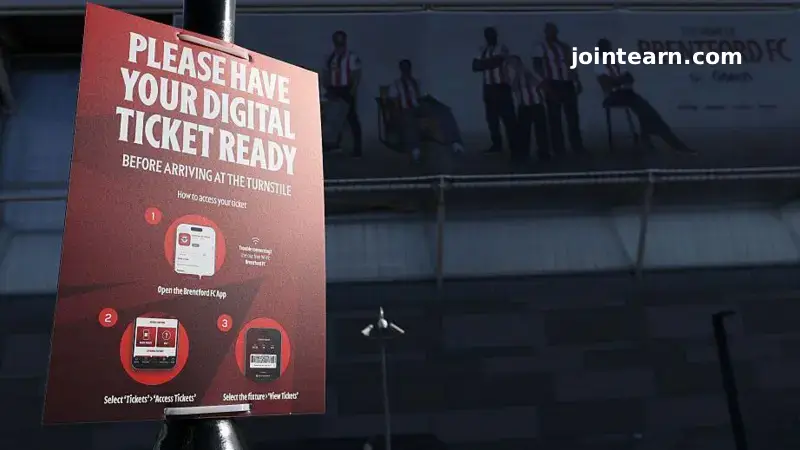
The UK government has unveiled new legislation aimed at curbing inflated ticket sales for sports events, but football fans are largely excluded from the protections. Despite widespread concern over skyrocketing resale prices, Premier League tickets will not fall under the new rules, leaving supporters vulnerable to the thriving black market.
A BBC investigation in September 2025 exposed thousands of Premier League tickets being sold at two to four times their face value through unauthorised resale websites. Fans can now legally purchase tickets for prices far above their original cost, as long as the sale occurs outside the government’s new regulations—unless it is for sports other than football.
Why Football Is Exempt from the New Legislation
Football ticket sales are already governed by the 1994 Criminal Justice and Public Order Act, which makes it illegal to sell football tickets without authorisation from the event organiser. Only clubs or official platforms can resell tickets—for example, when season ticket holders cannot attend.
Originally, this law aimed to prevent anti-social behaviour and reduce the risk of violence or disorder at football matches. The legislation only applies to ticket sales within England and Wales, leaving football largely outside the scope of the new anti-scalping rules.
“The government’s proposed law will not cover football, as the Criminal Justice and Public Order Act already governs ticket resales for matches,” a spokesperson explained.
The Black Market for Premier League Tickets
The black market remains widespread, with more than 50 unauthorised websites listed by the Premier League, including StubHub and Vivid Seats, companies with international ties and investment from Premier League owners, such as Chelsea’s Todd Boehly.
These resale platforms are registered in countries like Spain, Dubai, Germany, and Estonia, allowing them to operate freely beyond the jurisdiction of UK law. Tens of thousands of tickets are routinely listed online. For instance, Arsenal v Nottingham Forest had more than 18,000 tickets advertised—almost a third of the Emirates Stadium’s capacity.
BBC Sport purchased tickets for four Premier League matches through these websites, with prices ranging from £55 to nearly £15,000, far above face value. All transactions were digital and functional as mobile passes, highlighting how easy it is for fans to access the black market.
This practice has been described as “endemic” in English football, and with no new legislative clampdown, it is unlikely to be stopped any time soon.
Wimbledon’s Exemption Offers a Model
While football remains exempt, other sports and events, such as Wimbledon, can legally trade tickets under a structured system. Wimbledon debenture tickets, which include premium seats and exclusive venue access for five years, can be bought and sold through official platforms or privately.
This system may offer lessons for football clubs considering innovative revenue streams. For example, Manchester United is exploring selling seat licences for its proposed £2bn stadium. These licences allow fans to pay over time for the right to purchase the same seat and potentially resell it, without being impacted by price caps in the new legislation.
“Secure, upfront revenue from seat licences or premium ticketing enables venues to reinvest in facilities while maintaining fair access,” experts note.
The Bottom Line for Football Fans
While the government moves to curb inflated ticket sales in sports like tennis and rugby, football supporters remain exposed to the black market. With tens of thousands of tickets available internationally and minimal enforcement beyond England and Wales, fans must navigate a secondary market where prices can reach astronomical levels.
Until additional reforms are introduced, buying Premier League tickets will continue to be expensive and unpredictable, leaving the black market an enduring feature of English football.


Leave a Reply