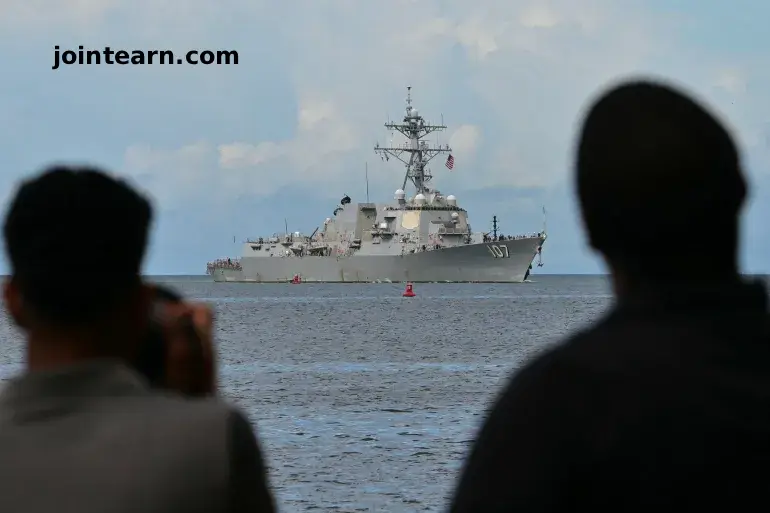
The United States is preparing to formally classify Venezuela’s so-called “Cartel de los Soles” as a Foreign Terrorist Organization (FTO), a move that significantly escalates Washington’s pressure campaign against President Nicolás Maduro. The designation, expected on Monday, comes at a time of heightened military presence in the Caribbean Sea and growing concerns over possible US intervention.
Washington Moves to Expand Pressure on Maduro
Officials in the Trump administration say the “Cartel de los Soles” is closely tied to senior Venezuelan military officers and political elites accused of corruption and drug-related activity. Although the group is not a traditional cartel, the term has long been used to refer to networks of officials implicated in illicit operations, including trafficking and illegal mining.
By labeling the entity as a terrorist organisation, the US opens new legal pathways for expanded operations against the Maduro government. Analysts suggest the move could serve as legal cover for future military or covert actions, especially as tensions between the two countries continue to rise.
US Military Presence in the Caribbean Grows
The designation coincides with a significant US military buildup near Venezuelan territory. In recent months, US forces have carried out naval and aerial operations targeting vessels accused of drug trafficking, resulting in more than 80 fatalities.
Human rights experts, including UN officials and international law scholars, have warned that the strikes raise serious legal concerns, describing them as potential violations of both US and international law.
As the USS Gravely and other US warships operate near Venezuelan waters, unnamed officials told Reuters that Washington may be preparing to launch a new phase of operations, potentially including covert missions or an attempt to remove Maduro from power.
However, the timing and scope of any new actions remain undecided, with one senior US official stressing that “nothing is off the table.”
Origins and Evolution of the “Cartel de los Soles”
The name Cartel de los Soles (“Cartel of the Suns”) originated in the 1990s, referring specifically to high-ranking Venezuelan military officers whose uniforms displayed sun-like insignia. Over time, the phrase expanded to describe a wider network of individuals—including police officials and political figures—accused of involvement in illegal mining, fuel smuggling, and other illicit activities.
In 2020, during Trump’s first term, the US Department of Justice escalated the term’s profile when it indicted Maduro and several close allies on narcoterrorism charges, alleging that state institutions were being used to facilitate drug trafficking.
Maduro has consistently rejected these accusations, arguing that Washington is seeking to overthrow his government and interfere in Venezuela’s internal affairs.
Growing Fears of Direct Military Action
The possibility of US strikes or broader military engagement has raised concerns across the region. Trump is reportedly considering a more assertive approach toward Caracas, which could mark a major turning point in the already strained relationship between the two nations.
Regional experts warn that such actions could destabilise the Caribbean and South America, further heightening tensions amid Venezuela’s ongoing economic and political crises.
Airlines Suspend Flights as Tensions Rise
The US Federal Aviation Administration recently issued warnings about increased military activity around Venezuela, prompting six major airlines to suspend flights to and from the country. Carriers including Iberia, TAP, LATAM, Avianca, GOL, and Turkish Airlines have halted operations, citing safety concerns.
The suspensions isolate Venezuela further, adding pressure to a government already grappling with sanctions, inflation, and mass emigration.
Maduro’s Response
Maduro, who has been in power since 2013, says the US campaign is part of an effort to destabilise his government. He maintains that the Venezuelan military and public will resist any foreign intervention. Despite these assertions, the mounting international pressure—combined with Washington’s latest designation—signals a tense and uncertain period ahead for the country.


Leave a Reply