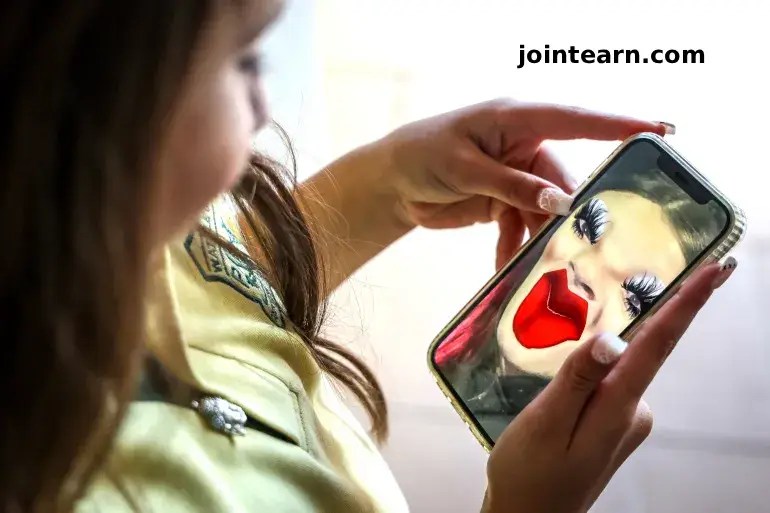
Snapchat has begun implementing age verification checks for children and teenagers in Australia as the country prepares to enforce a world-first social media ban for users under 16, starting December 10, 2025.
The Australian law, considered one of the strictest globally, targets major social media platforms and threatens companies with fines of up to 49.5 million AUD ($31.95 million USD) for non-compliance. Platforms affected include Snapchat, Facebook, Instagram, X, YouTube, TikTok, Reddit, Twitch, and Kick.
How Snapchat’s Age Verification Works
According to a Snapchat spokesperson, users in Australia can verify their age through one of two methods:
- ConnectID – an application used by most major Australian banks. It verifies whether the user is over 16 without sharing sensitive information.
- k-ID – a Singapore-based age-assurance software that allows users to submit government-issued IDs or photos, which the system then analyzes to estimate age ranges.
Andrew Black, managing director of ConnectID, explained that the verification system is designed “to protect young people online without creating new privacy risks.”
Snapchat Pushes Back Against Government Restrictions
Snapchat reported that about 440,000 of its users in Australia are aged 13 to 15. While the company is rolling out age checks, it disagrees with the government’s classification of Snapchat as a social media platform subject to the ban, arguing that it functions primarily as a visual messaging app.
“Disconnecting teens from their friends and family doesn’t make them safer – it may push them to less safe, less private messaging apps,” Snapchat warned.
Some platforms, including Discord, WhatsApp, Lego Play, and Pinterest, have already secured exceptions from the ban, although authorities reserve the right to expand the list in the future.
Youth and Advocacy Groups Voice Concerns
Many young Australians and advocacy groups have expressed concerns about the upcoming restrictions. Leo Puglisi, an 18-year-old journalist and founder of 6 News Australia, warned during a Senate inquiry that the ban could limit young people’s access to important information.
UNICEF Australia similarly cautioned that the proposed changes may not address the underlying issues young people face online, emphasizing the need to make social media platforms safer rather than fully restricting access.
Katrina Lines, CEO of children’s therapy provider Act for Kids, encouraged parents to maintain open communication with children about staying connected as the law comes into effect. Surveys conducted by Act for Kids showed that 41% of children aged 10 to 16 prefer connecting with family in real life over online interactions, though most still value social media for communication with friends.
Global Implications of Australia’s Social Media Ban
Australia’s move has attracted worldwide attention. Other nations are following suit or exploring similar legislation:
- Malaysia plans to ban social media for users under 16 starting next year.
- New Zealand is preparing a bill restricting social media use for children.
- Indonesia is drafting legislation to protect youth from online physical, mental, or moral harms.
- In Europe, France, Spain, Italy, Denmark, and Greece are testing a joint age verification app, while the Netherlands advises parents to restrict social media for children under 15.
The Australian ban is being closely watched globally as regulators examine whether such strict age restrictions can meaningfully improve children’s online safety, reduce cyberbullying, and prevent exposure to scams or inappropriate content.


Leave a Reply