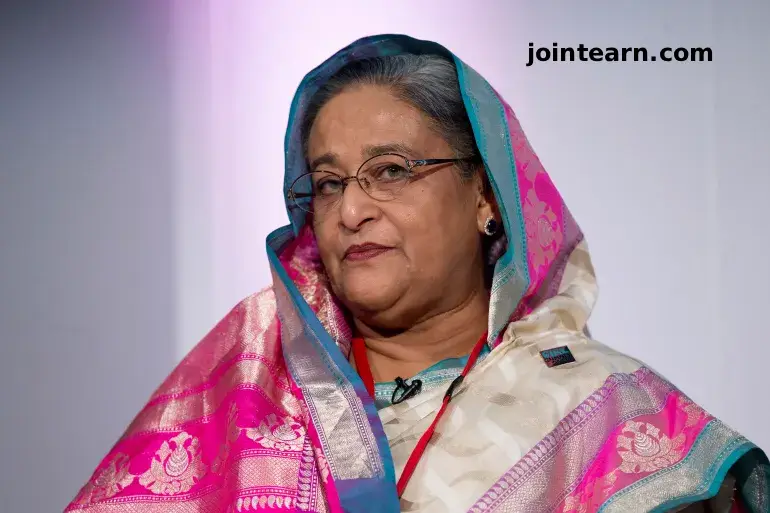
Bangladesh has formally requested India to extradite former Prime Minister Sheikh Hasina, who was recently sentenced to death in absentia for her role in last year’s deadly crackdown on a student-led uprising.
The interim Bangladeshi administration, led by Nobel Peace laureate Muhammad Yunus, has emphasized that New Delhi has an “obligatory responsibility” under a bilateral extradition treaty signed in 2013 to facilitate Hasina’s return.
Background: Hasina’s Fugitive Status
Sheikh Hasina, 78, has been living in hiding in India since her autocratic government was toppled in a mass uprising in August 2024. The protests followed years of political unrest, culminating in violence that, according to the United Nations, resulted in more than 1,400 deaths.
Touhid Hossain, Bangladesh’s foreign affairs official, said on Sunday that Dhaka had sent a letter to New Delhi two days prior, formally requesting Hasina’s extradition. This marks at least the fourth extradition request Bangladesh has made regarding the fugitive ex-leader.
Conviction by Bangladesh’s International Crimes Tribunal
On Monday, a special International Crimes Tribunal (ICT) in Dhaka convicted Hasina of crimes against humanity and sentenced her to death. The verdict fulfills a key pledge by the interim government to hold former leaders accountable for the 2024 crackdown.
The Bangladeshi Foreign Ministry issued a statement asserting that harboring Hasina is a “grave act of unfriendly behaviour” and a “travesty of justice” for any country to grant asylum to individuals convicted of crimes against humanity.
India’s Response
India’s Foreign Ministry has acknowledged the ICT verdict but has not yet commented on the likelihood of extradition. India had historically been a close ally of Hasina during her 15-year tenure as prime minister, a relationship that strained ties between the two neighbors after her overthrow.
Bangladeshi media reports, including Prothom Alo, indicate that Dhaka has repeatedly requested India’s cooperation, highlighting the bilateral obligations under the 2013 treaty.
Regional Diplomacy and Easing Tensions
Despite the high-stakes extradition request, tensions appear to have eased slightly this week after Bangladesh’s National Security Adviser Khalilur Rahman visited India for a regional security summit. During the visit, Rahman met his Indian counterpart, Ajit Doval, and reportedly extended an invitation for Doval to visit Dhaka.
Political Implications in Bangladesh
Bangladesh is preparing for its first general elections since the February protests, with Hasina’s party, the Awami League, currently barred from political activity. The extradition and trial of the former prime minister remain highly sensitive issues in both domestic politics and international diplomacy, influencing India-Bangladesh relations and regional stability.
The Hasina case underscores ongoing tensions in South Asia, where political accountability, cross-border diplomacy, and historical alliances continue to shape the geopolitical landscape.


Leave a Reply