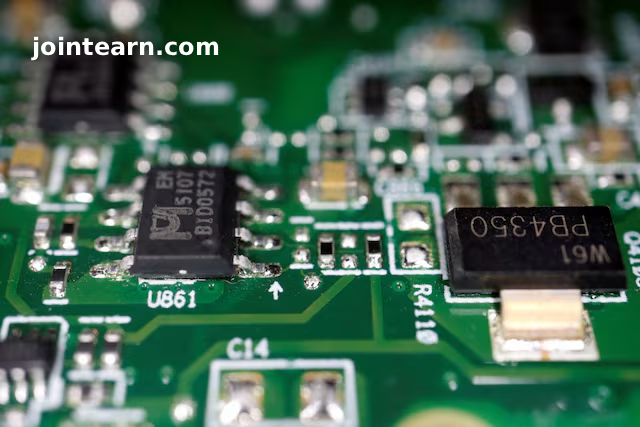
Taiwan’s Premier Cho Jung-tai said on Tuesday that his government has no knowledge of any joint effort with South Korea regarding U.S. semiconductor tariffs proposed under President Donald Trump’s trade agenda. Cho clarified that Taiwan is currently engaged exclusively in direct negotiations with the United States, despite recent comments from South Korean officials suggesting potential collaboration.
Taiwan Responds to South Korea’s Remarks
On Monday, South Korea’s trade minister indicated that Seoul might explore opportunities to cooperate with Taiwan on responding to Washington’s proposed chip tariffs. The statement came as U.S. officials signaled they may delay the rollout of long-planned semiconductor duties, a move that could shift the dynamics of the global technology supply chain.
Speaking before lawmakers in Taipei, Cho said Taiwan had “taken note” of the reports but emphasized that no such discussions are taking place between the two Asian tech powerhouses.
Ongoing U.S.-Taiwan Negotiations
Cho stated that Taiwanese trade officials are currently in one-on-one talks with the United States aimed at reducing trade barriers. While Taiwan’s exports to the U.S. face a 20% tariff, semiconductors are not included in that category. Taiwan is seeking to ease tariff pressure while maintaining its competitive advantage in high-tech manufacturing.
Cho added that Taiwan hopes to deepen cooperation with other economies that complement the island’s industrial strengths, particularly in advanced manufacturing and innovation.
Competition With South Korea Remains Strong but Friendly
The premier described Taiwan’s relationship with South Korea as one of “benign” competition, especially in advanced technologies such as semiconductor fabrication and next-generation chip processes.
Taiwan is home to TSMC, the world’s dominant contract chipmaker, while South Korea’s technology sector is led by major players such as Samsung Electronics and SK Hynix. All three companies are central to global supply chains for smartphones, data centers, artificial intelligence, and other electronics, making tariff decisions in Washington highly consequential.
Broader Implications for the Global Semiconductor Industry
The uncertainty over U.S. tariff implementation has added new pressure to an industry already grappling with shifting trade alliances, national security considerations, and intense competition among the world’s leading chip manufacturers. Any future cooperation or divergence among Taiwan, South Korea, and the United States could reshape global semiconductor strategy.


Leave a Reply