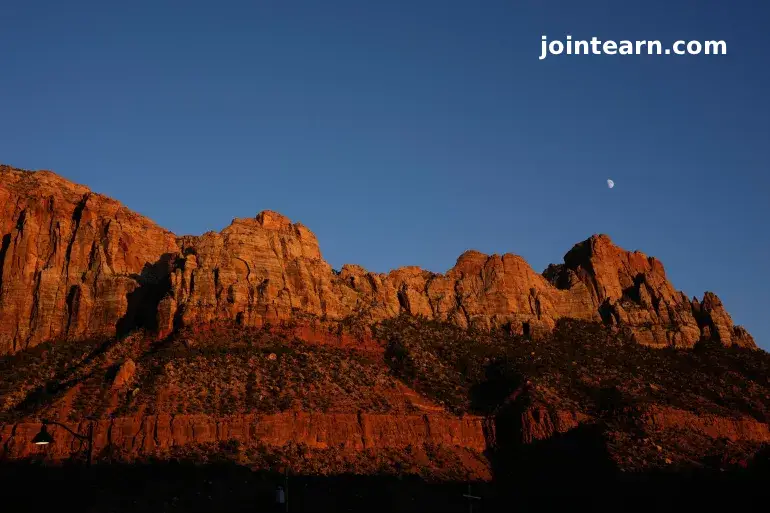
The United States government has announced a major change to its national park fee structure, unveiling a new policy that will require non-US residents to pay $100 per person to visit the country’s 11 most popular national parks starting in 2026. The move marks a dramatic increase from previous entrance fees and is part of an “America-first” strategy introduced by the Department of the Interior.
The announcement was made Tuesday as the agency rolled out its updated recreational fee plan for 2026. In addition to the per-person entrance fee, the cost of an annual national parks pass for international visitors will jump from $80 to $250, according to the new guidelines.
Interior Department Says Policy Prioritizes American Taxpayers
US Secretary of the Interior Doug Burgum said the new fee structure is intended to ensure that American citizens—who already support the National Park System through federal tax dollars—retain affordable access to natural and historic sites. At the same time, international visitors will be asked to contribute more toward park maintenance and improvements.
“These policies ensure that US taxpayers, who already support the National Park System, continue to enjoy affordable access,” Burgum said. “International visitors will contribute their fair share to maintaining and improving our parks for future generations.”
The new fees will apply at major attractions including:
- Great Smoky Mountains National Park (Tennessee & North Carolina)
- Zion National Park (Utah)
- Grand Canyon National Park (Arizona)
These destinations rank among the most visited natural sites in the country, drawing millions of international tourists annually.
How Fees Compare to Current Rates
The Great Smoky Mountains National Park—America’s most visited park in 2024—historically offered free entry, charging only for parking passes that range from $5 per day to $40 per year. Under the new policy, international visitors will pay significantly more for access even before parking fees are added.
Zion National Park previously charged between $20 and $35 for entrance, while the Grand Canyon’s costs ranged from $35 per vehicle or $20 per person. The 2026 fee increase represents one of the steepest hikes in the history of the national park system.
Fee Hike Comes Amid Proposed Budget Cuts
While the Trump administration has framed the new fees as a strategy to support the financial needs of the National Park Service (NPS), critics note that the federal government has also proposed major cuts to the park system’s budget.
Earlier this year, President Donald Trump suggested reducing NPS funding by $1 billion, though the figure has since been revised. Another proposal from the House Appropriations Committee recommended a $176 million reduction to park operations in 2026. The National Parks Conservation Association, a nonpartisan advocacy group, has warned that budget reductions could further strain park resources at a time when visitation remains high.
The NPS budget is currently funded through January 30, 2026, but Congress has yet to approve a full fiscal-year spending bill.
Staffing Shortages and Shutdown Aftermath
The National Park Service has already been grappling with staffing challenges. According to the National Parks Conservation Association, the system has lost 4,000 employees since January due to funding gaps, hiring freezes, and operational cuts.
During the recent 43-day government shutdown, most national parks remained open but operated with reduced services. Up to 9,000 park employees were furloughed during that period, leaving parks with limited staff to handle maintenance, visitor services, and emergency responses.
Advocates warn that without stable funding, parks may face significant difficulties even as international tourists face higher fees to enter.


Leave a Reply