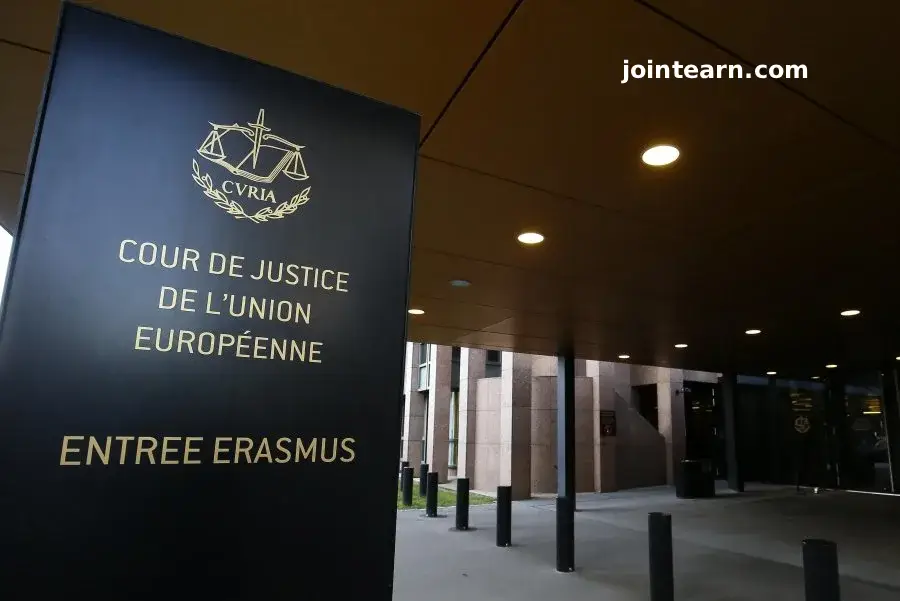
EU ruling mandates recognition of foreign same-sex marriages, affirming rights to family life and freedom of movement, while allowing member states to maintain domestic bans.
The European Court of Justice (ECJ) delivered a landmark decision on November 25-26, 2025, ruling that Poland and other EU member states must recognize same-sex marriages performed in other EU countries, even if their domestic law does not allow marriage between people of the same sex. The ruling comes after two Polish men, legally married in Germany in 2018, were denied recognition of their union upon returning to Poland.
Key Points of the ECJ Ruling
- Poland’s refusal to register the German marriage violated EU law, specifically the fundamental right to a “normal family life”.
- The ruling confirms that EU citizens’ right to move and reside freely across member states includes the ability to maintain their family life in their home country.
- While the decision requires recognition of foreign same-sex marriages, it does not mandate legalization of same-sex marriage domestically. Member states can still retain national bans on marriage between same-sex couples.
- The case now returns to Poland’s Supreme Administrative Court, which must instruct authorities on how to officially recognize the couple’s marriage under Polish law.
The ECJ emphasized that bans on recognition may cause administrative, professional, and private hardships, forcing couples to “live as unmarried persons” in their own country. The court highlighted that such refusal infringes not only the freedom to move and reside but also the fundamental right to respect for private and family life.
Political and Social Context in Poland
Poland is a predominantly Catholic nation with strong conservative influences, where LGBT rights have long been controversial. Certain municipalities have even declared themselves “LGBT-free zones”, and legal recognition of same-sex partnerships has been limited.
Polish authorities, including President Karol Nawrocki, have opposed any legislation that challenges the constitutionally protected definition of marriage, while Prime Minister Donald Tusk’s pro-European coalition has sought to introduce civil partnership laws for same-sex couples.
EU-Wide Implications
The ruling affects all EU member states, especially countries with domestic bans on same-sex marriage, including Slovakia and Hungary, which nonetheless provide legal mechanisms for recognizing same-sex relationships performed abroad.
This decision extends previous ECJ rulings, including a 2018 precedent, which allowed same-sex couples who are EU citizens to reside freely in countries that do not recognize same-sex unions. It establishes a binding legal standard for equal treatment of foreign same-sex marriages across the European Union.
Expert Reactions
Lawyer Pawel Knut, representing the Polish couple, described the ruling as historic, calling it a “new beginning in the fight for equality and equal treatment for same-sex couples.” He noted that it provides legal certainty for couples moving across the EU while reaffirming EU-wide rights to family life and freedom of movement.


Leave a Reply