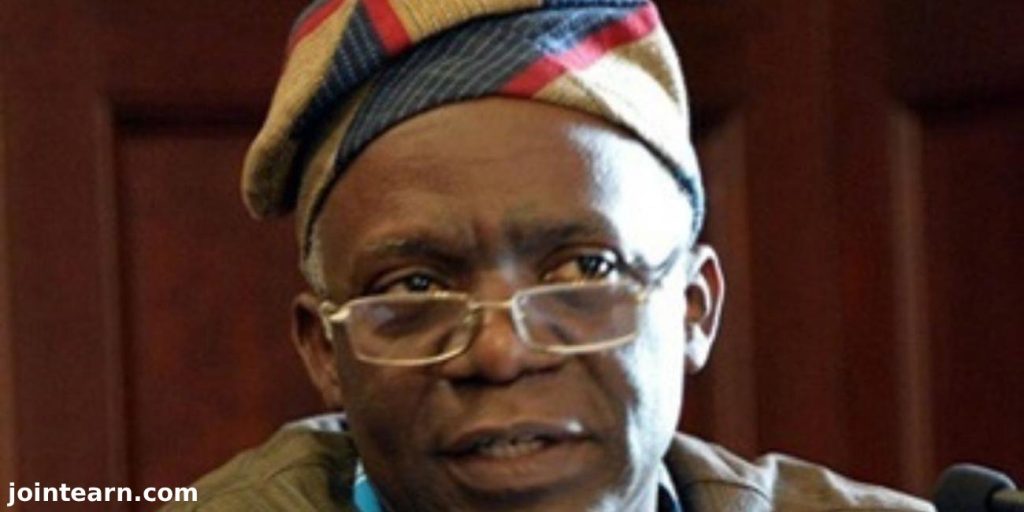
Prominent human rights lawyer and Senior Advocate of Nigeria (SAN), Femi Falana, has urged the Federal Government to refund ransom payments made by families of kidnapped victims, accusing authorities of operating double standards in their response to abductions.
Falana made the call on November 13, 2025, while delivering the keynote address at the Law Week programme of the Law Students Association, University of Abuja. He described Nigeria’s worsening insecurity as a national emergency, citing relentless attacks on farmers, students, worshippers, and rural communities.
According to him, while the government reacts swiftly when elites — such as judges or former public officials — are kidnapped, ordinary citizens are routinely abandoned to negotiate with kidnappers under life-threatening pressure.
“When judges, former public officers or elites are kidnapped, the government acts swiftly, deploying military resources and sometimes paying ransom,” he said.
“Conversely, when ordinary citizens — farmers, students, worshippers — are abducted, their families are left to negotiate with criminals and pay ransom at the whim of armed gangs.”
Falana said this disparity represents “not only a moral failure but also a constitutional violation,” noting that Sections 14(2)(b) and 33(1) of the 1999 Constitution impose an equal duty on the state to protect all citizens.
‘The Government Must Refund These Ransoms’
Falana argued that families who paid ransoms under duress deserve refunds as both a moral obligation and a corrective justice measure.
“When citizens are compelled to pay ransom due to government failure, justice demands restitution. The State must acknowledge its dereliction and refund such payments,” he said.
“Contrary to the official ban on ransom, governments at both federal and state levels do pay ransom through back channels, while security agencies often participate in negotiations.”
He added that refunds would send a strong message that citizens must not bear the financial burden of the government’s failure to provide security.
Systemic Failures Fueling Insecurity
Falana used the address to indict Nigeria’s security and governance systems, blaming corruption, weak enforcement, and policy inconsistencies for the persistence of banditry, terrorism, and herder-farmer conflicts.
He called for:
- Immediate prosecution of arrested kidnapping suspects
- Strict enforcement of anti-open grazing laws nationwide
- An overhaul of national security priorities to protect all citizens
- A ban on negotiations or amnesty for terrorists by state governments
Falana insisted that the right to life cannot be “subordinated to politics, privilege or profit,” and urged Nigerians to peacefully demand accountability.
He also warned that failure to investigate killings or punish perpetrators amounts to state complicity. Drawing on ECOWAS Court judgments, he noted that Nigeria could be held internationally liable for failing to prevent predictable violence or protect vulnerable communities.
“There can be no hierarchy of victims in a just nation. Every life lost to terrorism, herder-farmer conflict, or police brutality must be investigated with equal seriousness,” he said.
Falana concluded that until the government prioritises equal protection of all citizens, impunity will continue to embolden criminals and further erode public trust.


Leave a Reply