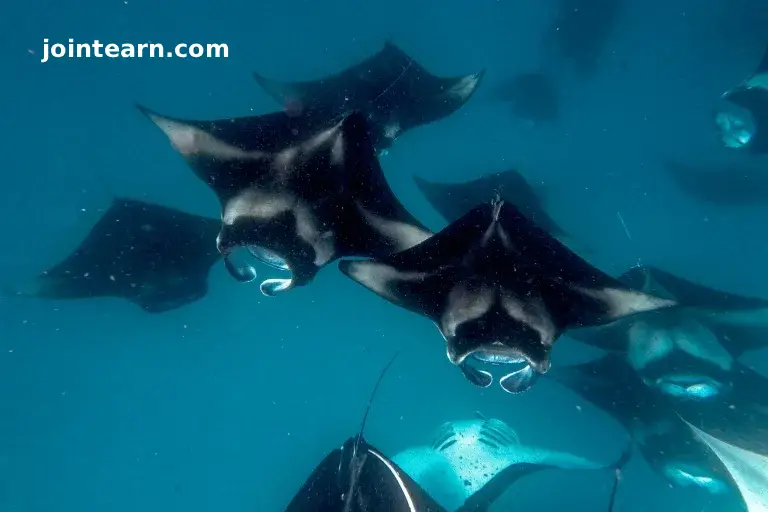
The world’s leading wildlife trade organization, the Convention on International Trade in Endangered Species of Wild Fauna and Flora (CITES), has granted new protections to more than 70 species of sharks and rays, a move hailed by conservationists as a “historical win” for marine life.
The decision was made during CITES talks in Uzbekistan, where member countries agreed to implement stricter trade regulations on species ranging from whale sharks to manta rays. Experts warn that shark and ray populations are under increasing threat due to overfishing and climate change, making global protections urgently necessary.
Key Species Receiving Protection
The most critically threatened species, including whale sharks, manta rays, and devil rays, were added to CITES Appendix I, the category that effectively bans international trade of species at risk of extinction. Earlier, the oceanic whitetip shark had also been upgraded to Appendix I status.
Other species, such as tope sharks, smooth-hound sharks, and gulper sharks, were placed on Appendix II, meaning international trade is allowed only if it is deemed sustainable. These species are often hunted for their meat, fins, or liver oil, or are caught accidentally in fishing nets targeting other marine species.
“This is a historical win for sharks, something we were strongly hoping for,” said Barbara Slee, senior programme manager at the International Fund for Animal Welfare (IFAW).
“Scientific data clearly shows sharks need to be treated as a conservation issue, not a fishing resource.”
Changing Global Perceptions
The proposal passed by consensus, reflecting a growing global recognition of the need to treat sharks and rays as threatened species rather than purely as economic resources. Slee noted that this consensus marks a potential turning point in the fight against overfishing.
“This should mark the end of overfishing and a fresh wave of hope for sharks,” she added.
Conservation Challenges
According to the International Union for the Conservation of Nature (IUCN), over a third of ray and shark species are currently threatened with extinction. Many are targeted for specific body parts, such as fins for shark fin soup, liver for supplements, or meat for consumption. Others are killed incidentally by fishing operations.
The CITES decision aims to curb unsustainable trade while promoting scientific management of marine species, providing a lifeline to shark and ray populations worldwide.
Looking Ahead
Conservationists hope that the strengthened protections will lead to improved enforcement of trade limits, sustainable fishing practices, and global cooperation to prevent further declines of vulnerable shark and ray species.
“Sharks and rays are essential to marine ecosystems. Protecting them ensures the health of oceans for generations to come,” said Slee.


Leave a Reply