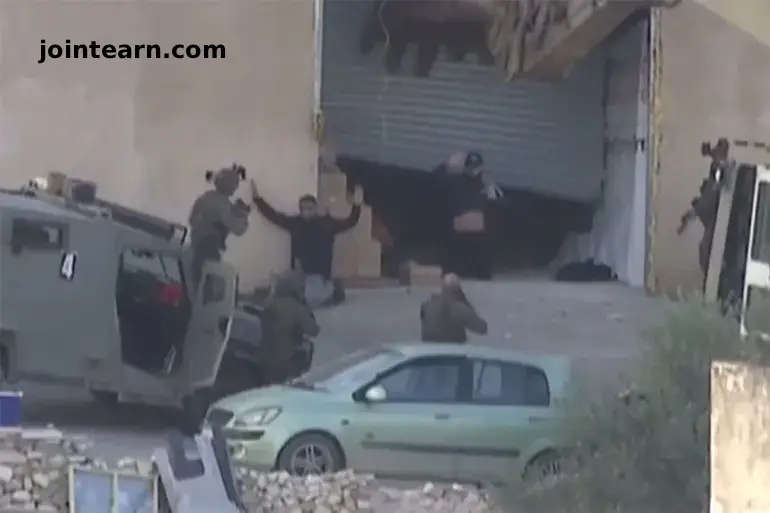
Jenin, West Bank – November 28, 2025 – The killing of two unarmed Palestinian men in the West Bank city of Jenin underscores a long-standing pattern of lethal Israeli military actions against Palestinians, human rights groups say.
The men, identified as Al-Muntasir Billah Abdullah and Youssef Asasa, raised their hands and lifted their shirts to signal they were unarmed before crawling back toward a building at the direction of Israeli forces. They were shot and killed at close range, an incident captured on video and widely circulated internationally.
Widespread Condemnation and Government Response
The killings have sparked outrage and calls for accountability. The Israeli military promised an investigation, but far-right Israeli officials, including Minister of National Security Itamar Ben-Gvir, defended the soldiers’ actions, claiming they “acted exactly as expected – terrorists must die.”
Human rights groups describe the Jenin deaths as part of a broader policy of “shoot to kill” in Israeli-occupied areas, often carried out with impunity.
Tirza Leibowitz, deputy director of Physicians for Human Rights Israel, noted, “The mindset that led to this has existed for a long time… Israeli society has just gotten used to it.”
Historical Context of Violence
The Jenin incident is not isolated. Past cases include:
- The 2024 killing of six-year-old Hind Rajab in Gaza while pleading for help.
- The 2024 shooting of two unarmed men in Gaza, captured on camera.
- The 2018 killing of Mohammed Habali in Tulkarem and 2020 killing of Eyad al-Halaq, a Palestinian with autism, in East Jerusalem.
Investigations often result in few prosecutions. Between 2018 and 2022, the Israeli army received 862 complaints of offenses against Palestinians, but only 13 indictments were issued, with a single case involving a Palestinian death.
Human Rights Concerns and Impunity
Rights groups report systematic abuses, including:
- Medical treatment while shackled and blindfolded.
- Deliberate starvation and denial of access to basic facilities.
- Widespread land appropriation and displacement by settler groups.
The UN Committee on Torture has noted a “de facto State policy of organized and widespread torture and ill-treatment of Palestinians,” particularly since October 7, 2023.
Shai Parnes, director of public outreach at B’Tselem, said, “These crimes can only happen with impunity… anyone who harms a Palestinian, whether soldier or settler, does so without consequence.”
International Outcry
The video from Jenin has reignited calls for international oversight and accountability. Critics argue that the killings exemplify a broader climate of indifference or tacit support among parts of Israeli society toward violence against Palestinians.


Leave a Reply