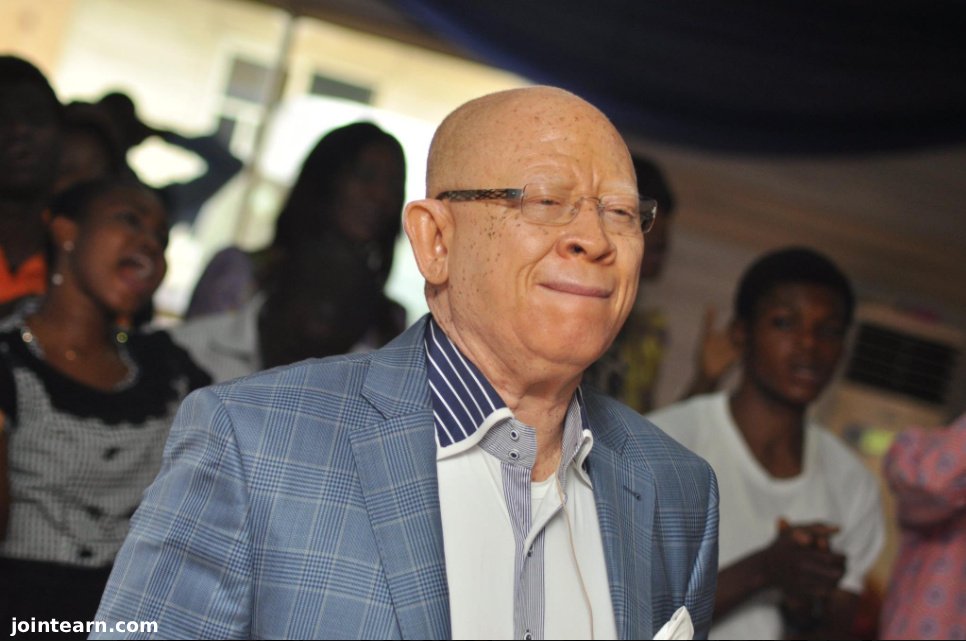
Jake Epelle, Chief Executive Officer of TAF Africa and founder of the Albino Foundation, has cautioned that appointing former INEC Chairman Mahmood Yakubu as an ambassador could seriously harm Nigeria’s diplomatic standing—particularly with Western nations.
Speaking on Channels Television on Monday, Epelle warned that deploying Mahmood to countries like the United States would be “a disaster,” arguing that some Western governments view him as unsupportive of democratic values.
He noted that while Western nations would likely distance themselves from such a nominee, African countries might be more tolerant of the appointment.
According to Epelle, appointing an envoy “with political baggage” risks undermining Nigeria’s diplomatic engagement. Host nations, he said, often sideline such envoys, excluding them from important meetings and sensitive information channels.
Epelle, who admitted Mahmood is a personal friend, said he could not understand why President Bola Tinubu nominated the former INEC boss, suggesting the President may have been poorly advised.
He expressed surprise at the move, saying he expected Mahmood to retire quietly or return to academic life.
“Political appointments are a chess game,” he said. “They don’t respect federal character or public perception. A small cabal around the President usually decides who gets what. I don’t know who advised Mr. President on Mahmoud’s nomination.”
Epelle added:
“I thought the professor would be relaxing in his country home or back in the university teaching. I had no idea he still wanted political office. This is one appointment I take with a pinch of salt. I don’t think the President was properly advised.”
He warned that diplomacy demands sensitivity, and that sending someone with controversial political history could strain relations with host countries.
“If Mahmoud ends up in the U.S., it will be disastrous for us because they already believe he was not very friendly with democracy,” Epelle said. “I don’t know any Western country that would welcome this. Maybe some African countries can tolerate it, but it is not in Nigeria’s best interest—especially given today’s global realities.”


Leave a Reply