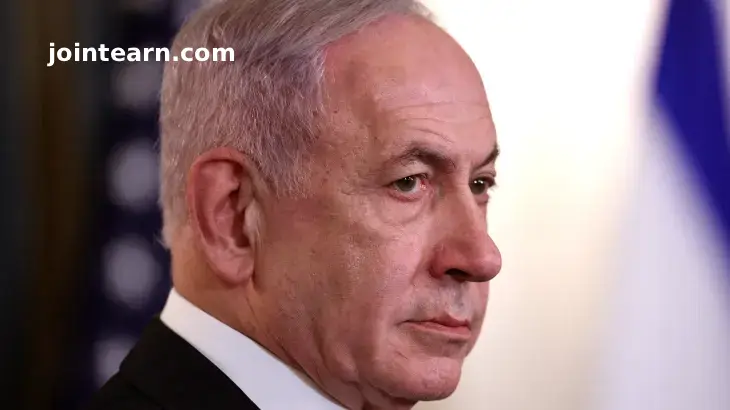
Jerusalem, Israel – November 30, 2025: Israeli Prime Minister Benjamin Netanyahu has formally submitted a request for a presidential pardon to President Isaac Herzog in the midst of ongoing corruption trials. The request comes as Netanyahu faces three separate corruption cases involving allegations of bribery, fraud, and breach of trust, including accusations of accepting luxury gifts worth hundreds of thousands of dollars.
Herzog’s office confirmed receipt of the pardon request, stating:
“The Office of the President is aware that this is an extraordinary request which carries with it significant implications. After receiving all of the relevant opinions, the president will responsibly and sincerely consider the request.”
Details of Netanyahu’s Corruption Cases
Netanyahu, the first sitting Israeli prime minister in history to stand trial while in office, has faced legal proceedings since 2020. The three corruption cases include:
- Allegedly accepting over $260,000 in luxury gifts, such as cigars, jewellery, and champagne, from wealthy supporters in exchange for political favors.
- Attempting to negotiate favorable coverage from Israeli media outlets.
- Charges of fraud, breach of trust, and bribery in connection with political dealings.
Netanyahu has repeatedly pleaded not guilty, asserting that he intends to see the trials through to acquittal. However, he cited national security concerns and political divisions as reasons for requesting a pardon.
“The continuation of the trial is tearing us apart from within, arousing fierce divisions, intensifying rifts,” Netanyahu said in a video statement.
U.S. Involvement and Trump’s Support
The pardon request coincides with efforts by former U.S. President Donald Trump, who has urged Herzog to grant Netanyahu clemency. Trump sent a letter in November 2025 and publicly called for a pardon during his visit to Israel, reflecting ongoing U.S. interest in Israeli politics.
Legal experts note that the request for a presidential pardon does not halt the ongoing trials, which continue under Israeli law. Former Justice Ministry director Emi Palmor emphasized:
“You cannot claim innocence while the trial is ongoing and ask the president to intervene. The trial must proceed.”
International Legal Implications
Netanyahu is also wanted by the International Criminal Court (ICC) in The Hague, which issued arrest warrants in November 2024 for alleged war crimes and crimes against humanity in Gaza. These international charges add complexity to his legal and political situation, making the presidential pardon request both symbolic and controversial.
Domestic Political Response
The pardon request has drawn strong reactions from opposition parties. Yair Lapid, leader of the opposition, urged President Herzog not to approve the pardon, stating:
“You cannot grant him a pardon without an admission of guilt, an expression of remorse, and an immediate retirement from political life.”
Yair Golan, head of the left-wing Democrats party, echoed this sentiment: “Only the guilty seek pardon,” he wrote on social media platform X.
The controversy has intensified already sharp political divisions in Israel, highlighting the tension between legal accountability and political influence in the country.
Process for Considering the Pardon
Netanyahu’s pardon request consists of two documents: a detailed letter from his lawyer and a personal letter from the prime minister. These documents will first be reviewed by the Ministry of Justice, then sent to the president’s legal adviser, who will provide additional opinions before Herzog makes a decision.
While Herzog has the authority to grant pardons under extraordinary circumstances, the process is expected to draw close scrutiny both domestically and internationally.


Leave a Reply