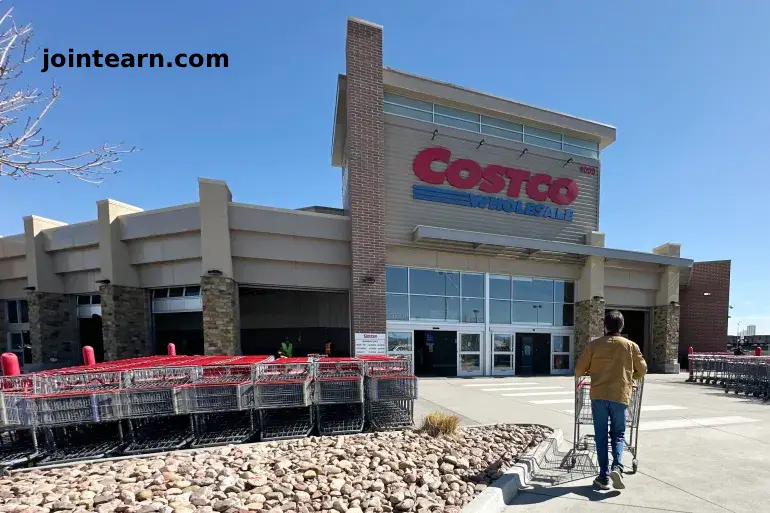
Costco Challenges Trump-Era Tariffs in US Court
Costco Wholesale Corporation has filed a lawsuit against the administration of former US President Donald Trump, seeking a full refund of tariffs paid this year. The legal action comes as the US Supreme Court prepares to decide the broader question of the legality of Trump’s tariffs under the International Emergency Economic Powers Act (IEEPA).
The lawsuit, filed on Friday in the US Court of International Trade, also requests a halt to further tariff collections, arguing that the company’s right to a full refund could be jeopardized if duties are enforced before judicial review.
Details of Costco’s Legal Action
Costco claims that US Customs and Border Protection (CBP) has refused to extend the December 15 deadline for refund claims on tariffs already paid. While the company has not disclosed the exact amount it seeks, the suit argues that importers who have paid IEEPA duties are not automatically guaranteed a refund without judicial intervention.
Key points from the lawsuit include:
- A request to pause further collections of import duties.
- A call to ensure full refunds for allegedly unlawful tariffs.
- Legal representation by Crowell & Moring, a Washington, DC-based law firm.
According to Gregory Shaffer, professor of international law at Georgetown University, companies have 180 days to protest liquidations, which are final assessments of duties, taxes, and fees owed on imported goods.
“Importers that have paid IEEPA duties, including Plaintiff, are not guaranteed a refund for those unlawfully collected tariffs in the absence of their own judgment and judicial relief,” the lawsuit states.
Other Companies Joining the Fight
Costco is not alone in challenging Trump-era tariffs. Other major companies involved in similar lawsuits include:
- Ray-Ban, eyeglass manufacturer
- Revlon, cosmetics company
These companies are arguing that the tariffs were illegally collected and that refunds are owed for payments already made.
White House Responds
The White House pushed back against the lawsuits, emphasizing the economic importance of upholding Trump-era tariffs:
“The economic consequences of the failure to uphold President Trump’s lawful tariffs are enormous and this suit highlights that fact. The White House looks forward to the Supreme Court’s speedy and proper resolution of this matter,” said spokesman Kush Desai.
Supreme Court Review of Tariff Legality
The US Supreme Court is currently reviewing whether the president has the authority under IEEPA to impose tariffs in the context of a national emergency. Central questions include:
- Do Trump-era tariffs qualify as emergency measures under the IEEPA?
- Does the executive branch have broad authority to regulate imports without Congressional oversight?
During oral arguments in early November, Justice Neil Gorsuch, a Trump appointee, expressed concerns about the administration’s interpretation of IEEPA:
“Congress, as a practical matter, can’t get this power back once it’s handed it over to the president. It’s a one-way ratchet toward the gradual-but-continual accretion of power in the executive branch and away from the people’s elected representatives.”
According to Shaffer, there appears to be a strong likelihood the Supreme Court could rule against the Trump administration.
Market Reaction
Shares of Costco have shown a modest gain, rising 0.2 percent in midday trading, reflecting investor optimism that the company could recover tariff payments if the court rules in its favor.
Implications for US Trade Policy
The outcome of Costco’s lawsuit could have far-reaching effects on US trade policy, especially for companies paying tariffs imposed under the Trump administration’s national emergency claims. A Supreme Court decision against the administration could:
- Force refunds for numerous companies.
- Limit the president’s authority under IEEPA.
- Influence future US import and tariff regulations.
For now, Costco and other major corporations await the court’s decision while seeking immediate relief through the Court of International Trade.


Leave a Reply