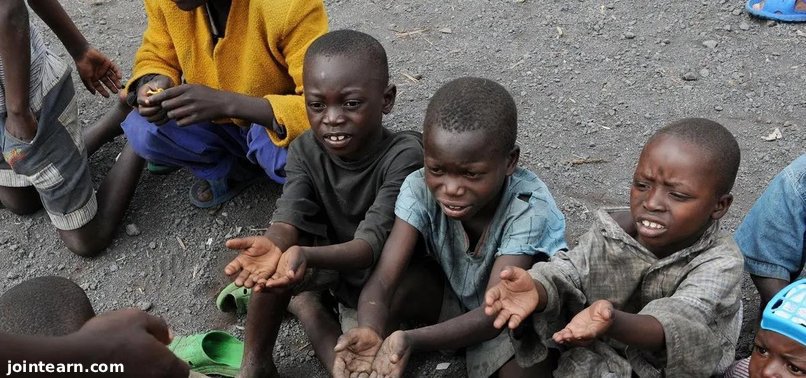
A recent study by Save the Children International has raised alarm over the imminent threat of death facing over 96,000 children due to malnutrition in six northern Nigerian states—Adamawa, Borno, Katsina, Sokoto, Yobe, and Zamfara—before the end of 2025.
The organization, in collaboration with PLAN International, Action Against Hunger Nigeria, and Oxfam, warned of a devastating public health crisis if urgent measures are not implemented.
“Without urgent access to lifesaving treatment, these states could lose 96,000 children between October and December 2025 due to acute malnutrition,” said Duncan Harvey, Country Director of Save the Children International.
This translates to over 1,000 child deaths daily, highlighting the severity of the crisis. The report also revealed that approximately 800,000 pregnant and breastfeeding women are at risk of acute malnutrition in the affected states.
Wider National Food Crisis
Harvey stressed that Nigeria is facing a nationwide emergency, with more than 31 million people experiencing acute food insecurity in 2025, making it the largest food crisis globally.
- 5.4 million Nigerian children suffer from acute malnutrition.
- 3.5 million children under five have Severe Acute Malnutrition (SAM), with 1.2 million requiring immediate lifesaving treatment.
- An estimated 600,000 children under five are at risk of SAM in the six northern states in the last quarter of 2025.
Urgent Calls for Action
Experts stressed the need for immediate and long-term interventions:
- Thierno Samba Diallo, Country Director, Action Against Hunger Nigeria, called for funding to provide therapeutic foods and support shock-responsive social safety nets, linking humanitarian, peace, and development efforts.
- Dr. Helen Idiong, PLAN International, urged governments and stakeholders to treat food and nutrition security as a fundamental right, emphasizing that malnutrition is preventable and treatable.
Impact of Insecurity on Food Production
Local observers highlighted the role of insecurity in worsening food scarcity. Dr. Pogu Bitrus, President of the Middle Belt Forum, noted that banditry, kidnappings, and militant attacks prevent farmers from planting and harvesting, directly contributing to malnutrition.
Abdullahi Umar, an educationist from Katsina State, stressed that insecurity has made food shortages year-round, particularly in Zamfara, Sokoto, and Katsina. He called for government action to clear forests and farmlands of bandits to allow safe farming.
Economic Challenges and Malnutrition
Public affairs commentator Nnanna Nwkamma highlighted economic factors, such as the removal of fuel subsidies, high cost of living, and exorbitant baby food prices, as contributing to malnutrition.
“A can of NAN baby food that once sold for just over N1,000 now costs up to N10,000. Ordinary families cannot afford proper nutrition for their children,” he noted.
Recommended Measures
Experts urge the government to:
- Provide food and nutritional supplements to vulnerable families.
- Declare total war on bandits and kidnappers to restore safe farming environments.
- Implement long-term economic policies that make food accessible and affordable.
The report serves as a wake-up call, warning that without immediate and coordinated intervention, malnutrition-related deaths could escalate beyond the six northern states into other vulnerable regions, including parts of the Middle Belt and southern Nigeria.


Leave a Reply