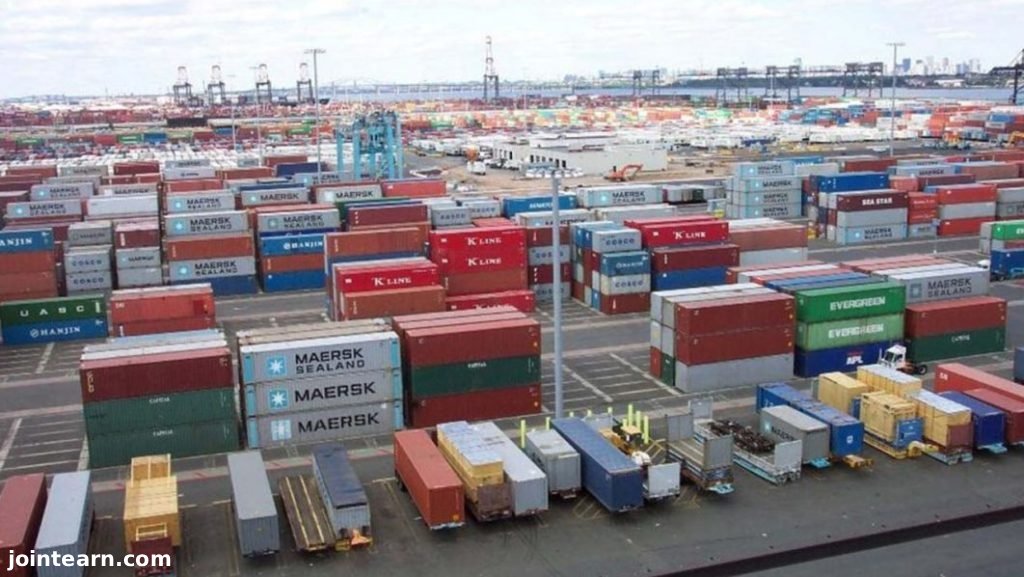
The Shippers Association of Lagos State (SALS) has expressed concerns over operational bottlenecks at Lagos ports, citing multiple levies, illegal checkpoints, arbitrary container stoppages, prolonged delays, and excessive bureaucracy as major barriers to trade.
SALS President Nicodemus Odolo, speaking at the 2025 Shippers’ Day celebration, warned that the hostile business environment is discouraging Nigerians from engaging in import and export activities, leading to a decline in active shippers.
“My own cargo can remain in the port for three months simply because I follow due process. In Nigeria, those who do things the right way suffer, while those who cut corners are rewarded,” Odolo lamented.
He also condemned security operatives intercepting export-bound containers on highways to question Customs duties, calling it unlawful and beyond their powers.
Dr. Pius Akutah, Executive Secretary of the Nigerian Shippers’ Council (NSC), highlighted the problem of overlapping taxes across the logistics chain, which distort market pricing, create uncertainty, and undermine Nigeria’s competitiveness as a regional trade hub. He noted that consultations have begun with relevant authorities to harmonize fiscal policies within the port ecosystem, ensuring they promote fairness, transparency, and efficiency.
The Comptroller-General of Customs, Adewale Adeniyi, in a presentation on the National Single Window, emphasized the government’s digital trade platform as a tool to simplify operations, reduce bottlenecks, and improve revenue performance. The system, interconnected with the B’Odogwu platform, aims to centralize trade and regulatory agencies, align Nigeria’s trade processes with global standards, and enhance transparency for shippers.
The 2025 Shippers’ Day, themed “Challenges Between Revenue Generation and Trade Facilitation,” brought together key stakeholders, including the Nigeria Customs Service and NSC, to discuss reforms and strategies to ease trade operations and improve competitiveness.


Leave a Reply