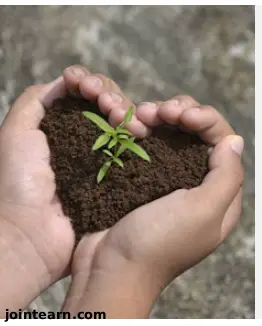
Nigeria is grappling with a worsening soil health crisis, with 33% of its soil already severely degraded, posing threats to food security, climate resilience, and environmental sustainability. Minister of State for Agriculture and Food Security, Dr. Aliyu Sabi, highlighted the urgency during the 2025 World Soil Day celebration in Abuja, describing healthy soil as the backbone of national food sovereignty.
Factors such as climate change, population growth, and poor farming practices are driving degradation. To address this, the government launched the Nigeria Farmers’ Soil Health Scheme (NFSHS) under President Bola Tinubu’s Renewed Hope Agenda. The program provides crop- and location-specific fertilizer recommendations, promotes organic inputs, and emphasizes regenerative practices like crop rotation, agroforestry, and reduced tillage.
A key initiative includes establishing soil-testing laboratories in all 774 local government areas, operated by youth and women agripreneurs, with 12 modern labs already set up across six geopolitical zones. Dr. Sabi stressed that regenerating even 2–3 cm of degraded soil can take up to 1,000 years, highlighting the scale of the challenge.
The government is also implementing the Nairobi Declaration on African Fertiliser and Soil Health, collaborating with partners like GIZ, AGRA, IITA, the World Bank, and the Gates Foundation. The Nigeria Soil Information System (NiSIS), Soil Health Cards, and regional training workshops are part of broader interventions to safeguard the nation’s soil resources.
Prof. Abubakar Musa Kundiri of the Nigerian Institute of Soil Science (NISS) emphasized soil’s critical role in urban sustainability, urging Nigerians to view soil as a living foundation for thriving cities, not just dirt beneath their feet.


Leave a Reply