Washington, D.C., December 4, 2025 — The New York Times has filed a landmark lawsuit against the Pentagon, challenging new rules that restrict media access to the U.S. Department of Defense. The lawsuit argues that the policies, implemented under Defense Secretary Pete Hegseth, violate constitutional protections, including First Amendment freedom of speech and due process rights, by granting the Pentagon chief broad discretion to ban reporters.
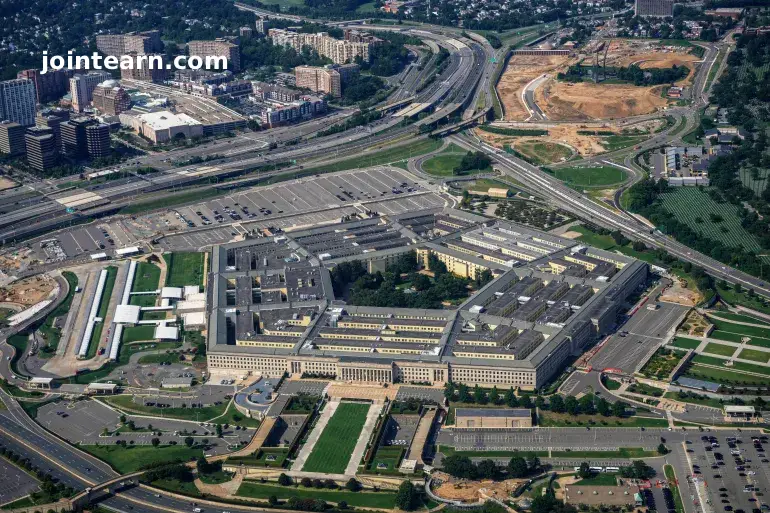
![The Pentagon seen from the air. Photo: Carolyn Kaster/AP]
The Lawsuit
Filed in the U.S. District Court in Washington, D.C., the Times contends that the Pentagon’s policy allows Secretary Hegseth to unilaterally decide whether a journalist can continue reporting from inside the Pentagon. The newspaper argues this effectively enables the military to censor stories it dislikes, undermining press freedom and public access to vital information about U.S. military operations.
Charles Stadtlander, spokesperson for the Times, said:
“The policy is an attempt to exert control over reporting the government dislikes.”
Several major outlets, including the Times, have since relocated their offices outside the Pentagon rather than comply with the new rules, leaving the press corps inside skewed toward outlets perceived as favorable to President Donald Trump’s administration.
Controversial Policy Details
The policy, enacted under Hegseth, states that receiving or publishing sensitive information is generally protected by the First Amendment, but it adds that soliciting such information could influence whether a reporter is deemed a security or safety risk. The Times lawsuit argues this wording gives Pentagon officials near-total discretion to remove journalists based on the content of their reporting.
Pentagon press secretary Kingsley Wilson defended the policy, calling it “common sense” and necessary to protect the military from the release of information that could endanger personnel. Wilson also criticized legacy media outlets, claiming they have “stopped telling the truth” and were not missed by the department.
The Pentagon Press Association, representing journalists who cover the agency, applauded the lawsuit:
“The Defense Department’s attempt to limit how credentialed reporters gather the news and what information they may publish is antithetical to a free and independent press and prohibited by the First Amendment.”
Implications for Reporting
Journalists covering the Pentagon have continued to report from outside the facility since October 2025, breaking major stories, including a controversial double-strike on a boat in the Caribbean that legal experts have warned may constitute a war crime. The Times lawsuit emphasizes that restricting access compromises reporters’ ability to hold the military accountable and deprives the public of critical information about national security operations.
The case represents a significant test of First Amendment protections in the context of military reporting and could set a precedent for how federal agencies regulate press access in sensitive government institutions.
Broader Context
The lawsuit comes amid increasing tension between the Trump administration and mainstream media outlets. Critics argue that policies like these seek to consolidate control over public information, while administration supporters frame them as measures to protect classified material and prevent misinformation.
As the case proceeds, legal observers will closely watch how courts balance press freedom with national security concerns, particularly in an era of heightened military operations and controversial executive actions.


Leave a Reply