Vienna, Austria – December 4, 2025 – Ireland, Spain, the Netherlands, and Slovenia have announced they will boycott the 2026 Eurovision Song Contest, following the European Broadcasting Union’s (EBU) decision to allow Israel to participate.
The move comes amid heightened tensions over Israel’s ongoing military actions in Gaza, which critics say have contributed to significant civilian casualties and interfered in the previous Eurovision contest.
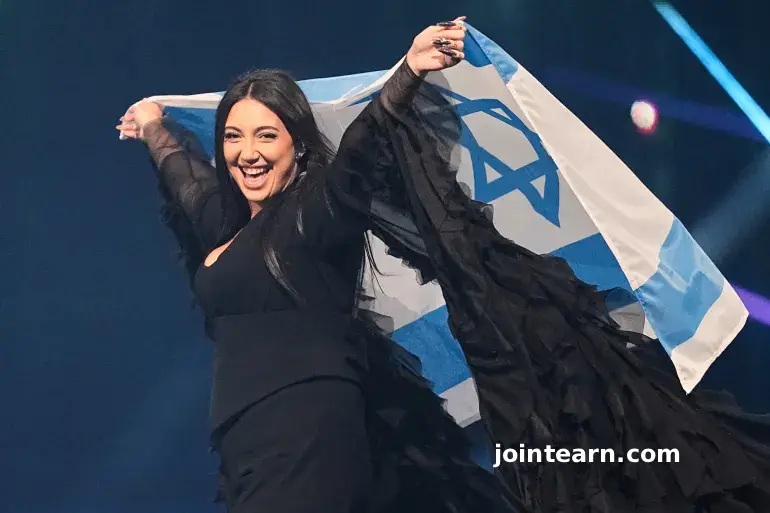
![Israeli singer Yuval Raphael holds her national flag during a Eurovision rehearsal. Photo: Martin Meissner/AP]
Reasons Behind the Boycott
The broadcasters from the four countries cited humanitarian and political concerns:
- Netherlands (AVROTROS): Criticized Israel for “proven interference” in last year’s contest and violations of press freedom during the Gaza conflict.
- Ireland (RTE): Cited “the appalling loss of lives in Gaza and humanitarian crisis” as grounds for withdrawal.
- Slovenia: Acted “on behalf of the 20,000 children who died in Gaza.”
- Spain (RTVE): Highlighted that Israel’s political use of Eurovision makes it “increasingly difficult to keep Eurovision a neutral cultural event.”
The EBU confirmed Israel’s participation, stating that members supported reforms aimed at reinforcing trust and ensuring neutrality in the competition. This includes the reintroduction of an expanded professional jury during the semifinals to prevent undue influence from governments or third parties.
Mixed Reactions Across Europe
Not all countries share the boycott stance. Germany, for instance, stated it would withdraw only if Israel were barred. German Culture Minister Wolfram Weimer affirmed:
“Israel belongs in the Eurovision Song Contest.”
Israeli President Isaac Herzog welcomed the EBU’s decision, emphasizing that Israel “deserves to be represented on every stage around the world,” while defending the country against what he described as a global smear campaign.
Eurovision 2026: The 70th Edition
The 2026 contest will be hosted in Vienna, Austria, marking the 70th edition of Eurovision. With four countries boycotting, tensions are already high, and the political backdrop could shape audience engagement and voting dynamics.
The boycott highlights how cultural events like Eurovision are increasingly intertwined with geopolitical conflicts, raising questions about the role of international entertainment platforms amid global crises.


Leave a Reply