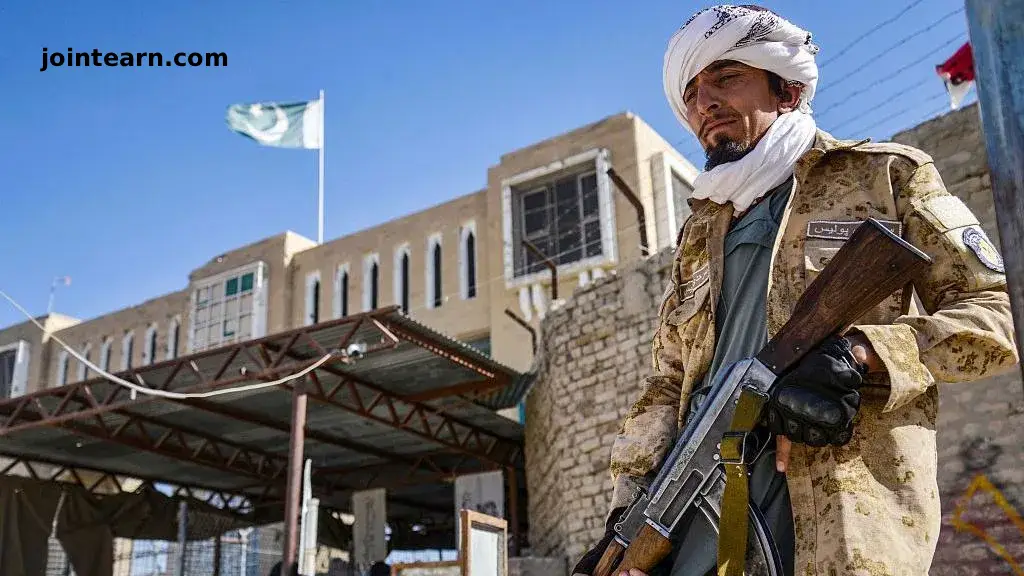
ISLAMABAD, December 5, 2025 — Pakistani and Afghan forces engaged in a brief exchange of gunfire along their shared border on Friday evening, marking another episode in the long-standing tensions between the two neighbors. Fortunately, no casualties or material damage were reported, according to local authorities.
This latest border clash highlights the fragile security situation along the Pakistan-Afghanistan frontier, despite a ceasefire brokered by Qatar in October. Both sides have blamed each other for violating the truce, signaling persistent mistrust and unresolved disputes.
Background of Border Tensions
The border between Pakistan and Afghanistan has long been a flashpoint for conflict, with clashes often erupting due to misunderstandings, militant movements, or accusations of cross-border aggression. The two countries’ border was briefly tense after deadly clashes in October, which left dozens of soldiers, civilians, and suspected militants dead, and hundreds more injured.
The October violence followed a series of explosions in Kabul on October 9. The Afghan Taliban government accused Pakistan of orchestrating these attacks, which Pakistan strongly denied. Following this escalation, Qatar mediated a ceasefire, which has largely held, although negotiations in Istanbul last month failed to produce a lasting peace agreement.
Details of Friday’s Exchange
According to Mohammad Sadiq, a Pakistani police official, the exchange of fire began near the Chaman border crossing, one of the region’s main trade and transit routes. He claimed that Afghan forces initiated the gunfire, prompting Pakistani troops to respond.
Meanwhile, the Afghan Taliban spokesman, Zabihullah Mujahid, stated that Pakistan launched unprovoked attacks on the Spin Boldak district in Kandahar. He added that Afghan forces responded in defense, reiterating Afghanistan’s commitment to the ceasefire.
Abidullah Farooqi, spokesperson for Afghan border police, reported that Pakistani troops first lobbed a hand grenade into Afghan territory near Spin Boldak, leading to the retaliatory fire.
From Pakistan’s perspective, Mosharraf Zaidi, spokesperson for Prime Minister Shehbaz Sharif, accused the Afghan Taliban of initiating unprovoked firing along the Chaman border. He emphasized that Pakistan remains vigilant and committed to defending its territorial integrity.
Humanitarian and Trade Developments
The exchange of fire comes a day after Pakistan agreed to allow the United Nations to send humanitarian aid to Afghanistan through the Chaman and Torkham border crossings. These crossings had been closed for nearly two months due to escalating border tensions, severely affecting the movement of goods and relief supplies.
Opening these borders for humanitarian aid reflects a small but significant step toward easing bilateral tensions, even as security incidents continue to pose challenges.
The Broader Context: Militancy and Regional Security
Both countries’ relations remain strained partly due to the presence of the Tehrik-e-Taliban Pakistan (TTP), a militant group allied with the Afghan Taliban. Many TTP fighters reportedly took refuge in Afghanistan following the Taliban takeover in 2021, contributing to Pakistan’s security concerns and fueling mutual distrust.
The persistent clashes underscore the fragile security situation along the Pakistan-Afghanistan border and highlight the difficulties in maintaining peace despite international mediation and ceasefires. Analysts warn that without renewed diplomatic engagement and effective border management, sporadic clashes may continue, impacting trade, humanitarian aid, and regional stability.
Conclusion
Friday’s border exchange, though casualty-free, serves as a reminder of the ongoing challenges in Pakistan-Afghanistan relations. Both sides remain on high alert, and the fragile ceasefire continues to be tested by mistrust, militant activity, and failed negotiations. The international community, including Qatar and the United Nations, continues to urge both countries to uphold peace agreements and facilitate cross-border humanitarian aid.


Leave a Reply