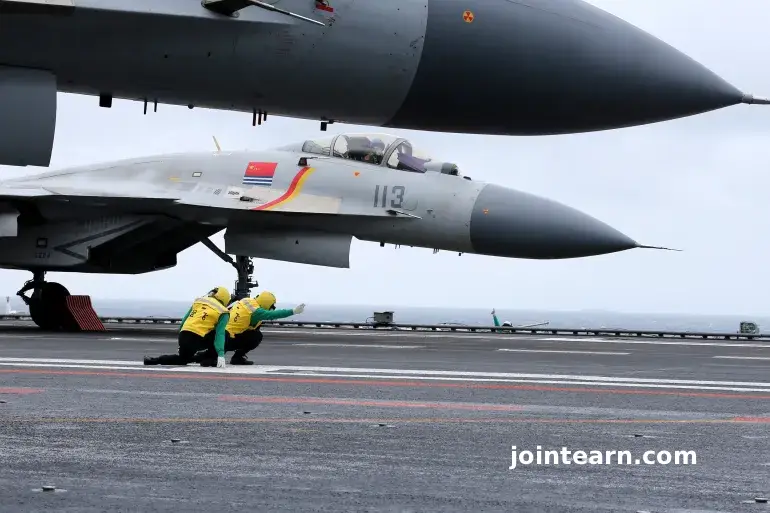
Tokyo, Japan – December 7, 2025 – Japanese Defence Minister Shinjiro Koizumi has accused Chinese fighter jets of directing fire-control radar at Japanese aircraft during two separate incidents over international waters near Okinawa. The move, which Tokyo calls highly dangerous, has escalated tensions in the East China Sea amid ongoing disputes between the two countries.
Dangerous Radar Lock Incidents
Koizumi stated in a post on X that the radar illumination was “a dangerous act that exceeded the range necessary for safe aircraft flight.” Fire-control radar locks are considered one of the most threatening actions a military aircraft can take, as they indicate a potential attack and force the targeted aircraft to take evasive maneuvers.
Following the incidents, Tokyo lodged a “strong protest” with Beijing and demanded measures to prevent a recurrence. Despite the seriousness of the encounters, Koizumi confirmed that no damage or injuries were reported.
China’s Response
A spokesperson for the Chinese navy dismissed Japan’s accusations, stating that Japanese Self-Defence Force aircraft repeatedly approached and disrupted Chinese naval training exercises. Chinese authorities said Japan’s claims were inconsistent with the facts and emphasized that the jets were operating within international norms during routine maneuvers.
Context: Okinawa and Regional Tensions
The J-15 fighter jets involved in the incidents were reportedly launched from China’s Liaoning aircraft carrier, which was operating south of the Okinawan islands alongside three missile destroyers.
The encounters coincide with a period of strained relations between Beijing and Tokyo following Japanese Prime Minister Sanae Takaichi’s statements in November that Japan could respond militarily if Chinese actions against Taiwan threatened Japanese security.
Taiwan, a democratically governed island claimed by Beijing, lies just 110 kilometers (68.4 miles) from Yonaguni Island, Japan’s westernmost territory. The region has become a hotspot for military activity, with Japan hosting a significant contingent of United States forces, including thousands of Marines stationed in Okinawa.
Military Build-Up in East Asia
According to reports cited by Reuters, China deployed more than 100 naval and coastguard vessels across East Asian waters earlier in the week. Taiwan described this as a potential threat to regional stability, while Japan confirmed it was monitoring Chinese activities closely.
Additionally, Taiwan’s coastguard noted that three Chinese maritime safety ships were conducting drills along the western side of the Taiwan Strait’s median line, though Taiwan indicated that the waters remain “currently normal”. Chinese state media framed the operations as search-and-rescue drills in high-traffic areas, while Taiwanese authorities described the reports as “misleading,” asserting that China’s maneuvers were intended as psychological harassment.
Strategic Significance of the Taiwan Strait
The Taiwan Strait is a critical international waterway, with about half of global container ship traffic passing through it. While China claims sole sovereignty and jurisdiction over the strait, the United States, Japan, and Taiwan maintain that it remains an international waterway, subject to free navigation rights.
Conclusion: Escalating Risks in the East China Sea
The radar lock incidents underscore growing military tensions between Japan and China and highlight the volatile nature of the East China Sea and Taiwan Strait. As both nations continue to assert their security and territorial claims, international observers warn that miscalculations could have serious consequences for regional peace and maritime safety.


Leave a Reply