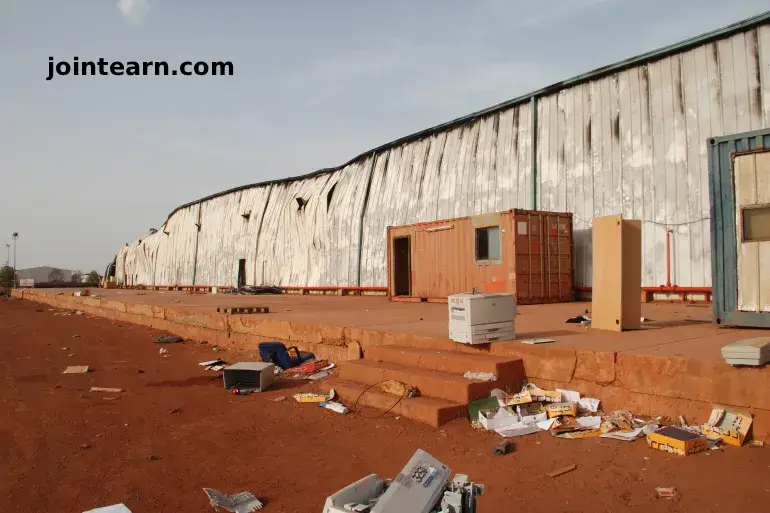
The Rapid Support Forces (RSF) has announced it has taken control of the Heglig oilfield, Sudan’s largest oil facility, located in South Kordofan province. The Sudanese Armed Forces (SAF) confirmed their withdrawal from the site, marking a significant gain for the RSF amid a two-and-a-half-year civil conflict that has devastated the country.
Heglig: Sudan’s Key Oil Hub
The Heglig oilfield is not only Sudan’s largest oil-producing site but also serves as a critical processing facility for South Sudan’s oil exports. Its strategic importance lies in both economic value and geopolitical leverage, making it a central target in the ongoing struggle between the RSF and SAF.
Youssef Alian, head of the RSF-affiliated civil administration in the region, stated that the takeover was carefully planned and executed by a special, trained force to secure the field and protect oil infrastructure from sabotage or other threats.
“The liberation of the Heglig oil region is a pivotal point in the liberation of the entire homeland,” the RSF said in an official statement.
Fighting for Control in Sudan
The RSF has been expanding its influence from Darfur eastwards and southwards, pushing into South and Central Sudan. Recent battles include the strategic town of Babnusa in West Kordofan, considered a gateway to Darfur.
Control of Heglig opens potential routes towards Khartoum, the Sudanese capital, and grants the RSF access to key agricultural areas, gold reserves, and oil-rich territories in Kordofan province.
In August, drone strikes temporarily halted operations at Heglig, highlighting the ongoing volatility and strategic significance of the site.
Impact on South Sudanese Oil
An unnamed engineer told AFP that workers and army personnel were evacuated to South Sudan, and the processing plant handling South Sudan’s oil exports was shut down following the RSF takeover. The RSF has restricted access to a special task force responsible for safeguarding the facility.
This move could have major implications for oil production and exports in both Sudan and South Sudan, potentially affecting the regional energy market.
Sudan Conflict Background
Sudan has been engulfed in civil war since April 2023, when clashes erupted between the SAF and RSF. The conflict has caused:
- Tens of thousands of deaths
- Displacement of over 12 million people
- Humanitarian needs for approximately 30 million people
The battle for Heglig underscores the continuing struggle for control over resources, with oil remaining a key driver of military and political strategy.
Humanitarian and Economic Consequences
The takeover of Heglig raises concerns about the stability of oil production, as well as the security of workers and civilians in conflict zones. International observers warn that continued fighting could further exacerbate food insecurity, displacement, and economic instability in Sudan and neighboring countries.


Leave a Reply