Lawmakers in the United States are pressing for the release of video footage showing a controversial double-tap strike on a vessel in the Caribbean, raising concerns about the legality of Washington’s militarized anti-drug campaign. The strike, conducted on September 2, 2025, reportedly killed two survivors of an initial attack on a suspected drug-smuggling vessel.
Bipartisan Calls for Transparency
Democrats and Republicans alike have called for public access to the footage. While lawmakers reviewed the video in a closed-door briefing with military officials last week, accounts of the incident diverged sharply along partisan lines.
Representative Adam Smith, top Democrat on the House Armed Services Committee, argued the targeted vessel had been “clearly incapacitated” in the first strike and the survivors were unarmed and helpless.
“They ought to release the video. Once the public sees it, the truth will be clear,” Smith said on ABC News’ This Week.
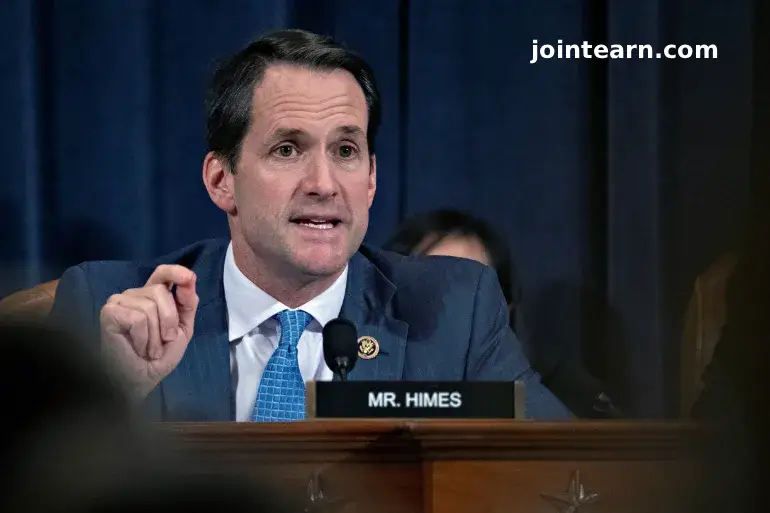
Representative Jim Himes, chair of the House Intelligence Committee Democrats, emphasized that the American public deserves the opportunity to see the military action firsthand.
“There’s sympathy for targeting drug runners, but people need to see what it looks like when the full force of the US military is turned on two men clinging to a piece of wood,” Himes told CBS News’ Face the Nation.
Some Republicans have expressed support for the video release while defending the strikes. Senator Tom Cotton described the action as comparable to strikes on vehicles in conflict zones abroad and deferred to the Pentagon for judgment. Senator John Curtis of Utah stressed the importance of transparency for public trust.
Trump Administration and Pentagon Response
President Donald Trump, under whose administration the strikes occurred, indicated he would have “no problem” releasing the footage. However, Defense Secretary Pete Hegseth and Pentagon officials have signaled caution, citing the need for a “responsible” decision regarding disclosure.
The strikes are part of at least 22 military operations in the Caribbean Sea and Eastern Pacific targeting suspected drug traffickers. Controversy erupted after reports claimed Hegseth ordered a follow-up strike on survivors, which he has repeatedly denied, calling the reports “fabricated and inflammatory.”
Legal and Human Rights Concerns
Legal experts have questioned the strikes’ legality. Tom Dannenbaum, a Stanford University scholar in the laws of war, told Al Jazeera that since the strikes occurred outside an armed conflict context, they could constitute domestic and international law violations, including extrajudicial killings.
At least 87 people have been killed in the strikes to date. Critics have noted that the Trump administration has not publicly provided evidence supporting claims that the vessels were carrying narcotics, were destined for the US, or were controlled by proscribed criminal cartels.
The controversy underscores growing calls for greater accountability and transparency in US military operations outside recognized warzones, particularly those targeting civilians or suspects at sea.


Leave a Reply