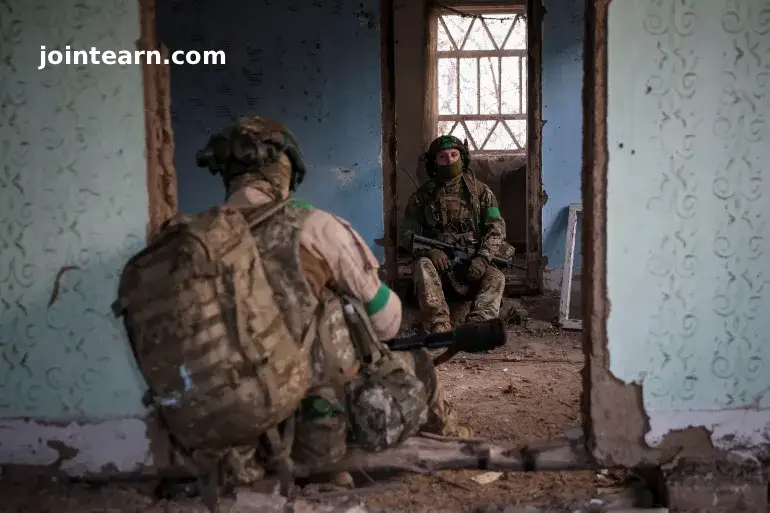
Kyiv, Ukraine – Ukraine is facing a crisis of desertion as record numbers of soldiers flee the military despite the threat of imprisonment or social stigma. Thousands of servicemen are abandoning their posts amid mounting losses to Russian forces and a shortage of trained reinforcements.
Rising Desertions Amid Heavy Losses
Tymofey, a 36-year-old office worker from Kyiv, is one of many who have deserted the Ukrainian army. He told Al Jazeera that he escaped twice after being forcibly conscripted in April. His decision stemmed from what he described as perfunctory military training that left soldiers unprepared for front-line combat.
“There’s zero training. They don’t care that I won’t survive the very first attack,” Tymofey said, referring to drill sergeants more focused on preventing desertions than preparing troops.
Military authorities say tracking deserters is challenging. Prosecutors reported in October that 235,000 servicemen went AWOL, with nearly 54,000 desertions since Russia launched its full-scale invasion in 2022. Between September 2024 and September 2025 alone, 176,000 AWOL cases and 25,000 desertions were registered.
Legal Risks and Leniency
Under wartime regulations, desertion can carry 5–12 years in jail, while going AWOL may result in up to 10 years behind bars. Despite the harsh penalties, many soldiers prefer desertion to being sent to the front lines.
Since November 2024, the Ukrainian government has offered amnesty for first-time deserters, allowing up to 30,000 soldiers to return without punishment. Some soldiers cite poor treatment, denial of leave, and lack of personal freedoms as reasons for leaving.
“Some say their commander didn’t let them visit sick relatives or get married,” a military psychologist told Al Jazeera on condition of anonymity.
Military Shortages and Frontline Losses
The desertion crisis worsens Ukraine’s shortage of soldiers, even as Russia advances. In November, Russian forces occupied approximately 500 square kilometres of eastern Ukraine, while Washington-mediated peace talks stalled.
Top Ukrainian commander Valentyn Manko noted that while 30,000 men are mobilized monthly, the military ideally needs 70,000 new troops to replenish its units.
How Deserters Evade Authorities
Deserters often avoid conscription patrols by navigating checkpoints, bribing officials, or using fake documents. Tymofey recounted using his brother’s car to evade capture, only to be apprehended after paying a traffic fine with his own credit card. His escapes involved climbing barbed-wire fences and trekking through forests to reach safety.
“The training centre was surrounded by a 3-metre-high concrete wall with barbed wire. I found a gap and escaped,” he said, showing scars on his hands from the wire.
Social Stigma and Public Opinion
While some view deserters as acting out of fear, many former soldiers and civilians consider them cowards. Yevhen Galasiyk, who lost an eye near Bakhmut in 2023, argued that deserters should lose civil rights such as voting or pensions.
Tymofey, however, shrugged off criticism from friends and family, emphasizing survival over public opinion.
Broader Implications
The desertion crisis underscores deep structural and morale challenges in the Ukrainian military, including:
- Insufficient combat training
- Inadequate staffing for tracking deserters
- Overwhelmed military courts and police
- The psychological toll of prolonged frontline warfare
Analysts warn that without reforms, Ukraine may continue to face high desertion rates, further complicating its efforts to resist Russian advances.


Leave a Reply