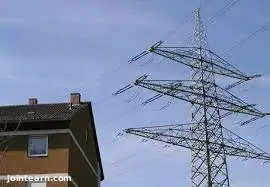
The Lagos State Government has reaffirmed its determination to clear all buildings and structures illegally erected beneath high-tension power lines, citing the serious safety risks such encroachments pose to residents.
The warning came from Olajide Babatunde, Special Adviser to Governor Babajide Sanwo-Olu on Electronic Geographic Information System (EGIS) and Urban Development, during an assessment tour along the Third Mainland Bridge corridor.
Babatunde was accompanied by Gbolahan Oki, Permanent Secretary of the Ministry of Physical Planning and Urban Development, Oladimeji Animashaun, General Manager of the Lagos State Urban Renewal Agency (LASURA), and other senior officials.
The inspection covered areas from Oworonshoki to Adekunle, including the Makoko axis of Ebute-Meta, where authorities identified numerous shanties and illegal structures encroaching on the bridge setbacks and violating the legally prescribed 50-metre right-of-way.
Babatunde stressed that the state would no longer tolerate habitation or commercial activity beneath transmission lines or in restricted zones. “Such practices endanger lives and property,” he said, noting that enforcement would be strengthened to ensure full compliance with urban planning regulations.
Oki noted that the government had repeatedly engaged residents, giving them ample warnings. “As far back as February this year, we gave them 14 days to vacate the area, but they refused. They are even extending towards the middle of the Third Mainland Bridge. We have warned them several times; the next step is to take the bull by the horn,” he said.
He added that while collaboration with community leaders remains important, public safety must take priority. “If any of those cables fall and anything happens, the blame will be on the government. The lives of the people are more important,” Oki stressed.
The government’s renewed enforcement drive signals a firm stance on urban safety and infrastructure protection in Lagos, particularly around critical transportation corridors like the Third Mainland Bridge.


Leave a Reply