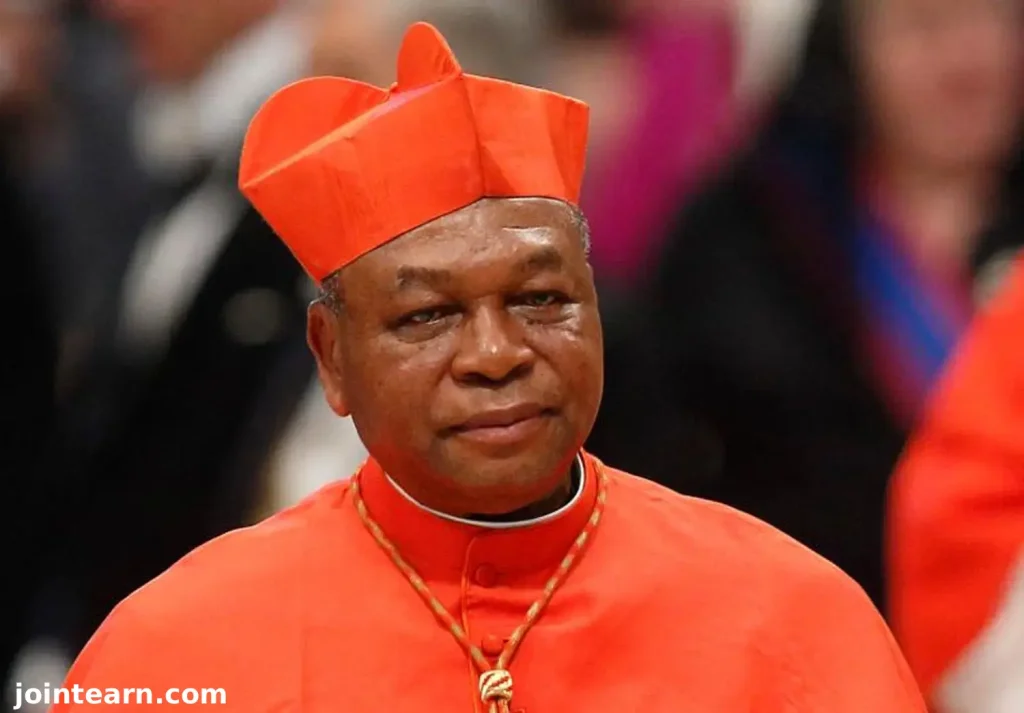
Leading Christian, Muslim, traditional, and interfaith figures have sent a stark message to President Bola Tinubu, declaring that Nigeria’s escalating insecurity, now a full-blown national emergency, rests squarely on his desk. They also noted that the National Assembly cannot effectively legislate while communities remain overrun by violence.
The message was delivered at a high-level Interfaith Dialogue on Religious Freedom and Human Security, organised by the Global Peace Foundation (Nigeria) in Abuja. Attendees included Cardinal John Onaiyekan; Sheikh Nurudeen Lemu; Rev. Stephen Baba, Vice Chairman of CAN; Sheikh Nuru Khalid; Archbishop Sunday Onuoha; Rev. Fr. Canice Enyiaka; and traditional rulers such as Alhaji Attihuru, Emir of Bangudu, and Alhaji Ahmadu Onawo, Emir of Doma.
While acknowledging that the country’s security challenges predate the Tinubu administration, the leaders stressed that he now has both the constitutional authority and moral duty to address the crisis.
“Every human life is sacred and must be protected. We condemn all killings, kidnappings, and targeted attacks across Nigeria,” they declared.
Speakers emphasized that no faith supports violence and called on clerics to unite in defending human dignity and preventing extremists from misusing religion. Rev. John Hayab, Country Director of the Global Peace Foundation Nigeria, said the gathering was “a testament to our shared resolve to uphold freedom of religion or belief and strengthen the bonds that unite us as one Nigerian family.”
Rev. Fr. Canice Enyiaka described the violence as both a national and spiritual emergency:
“When a Nigerian is killed, the entire nation bleeds. When a child is kidnapped, the whole nation is kidnapped.”
He reminded participants that religious teachings uphold the sanctity of life, urging leaders to serve as guardians of the nation’s moral conscience.
The dialogue recommended strengthening local interfaith peace committees, enhancing early-warning mechanisms, expanding mediation efforts, supporting trauma healing, and targeting peace messaging toward women and youth.
On political leadership, the communiqué was clear:
“Nigeria’s problem predates President Tinubu. However, as the president of the day, the bulk of the job lies on his table… Members of the National Assembly should also realise that we will have no job to do if their constituencies are consumed by insecurity and violence. Nigerians should realise that our problems are self-made, and we must all take responsibility to solve them.”
The dialogue also resolved to establish a Joint Interfaith Advocacy Committee on Freedom of Religion or Belief (FoRB), initiate steps toward a National FoRB Commission, hold quarterly consultations, and document incidents of violence and hate speech. Archbishop Sunday Onuoha encouraged the government to seek international support when necessary while safeguarding Nigeria’s sovereignty.
“If we can borrow funds from other parts of the world, we can also seek help. But in seeking that help, our sovereignty must be respected,” he said.


Leave a Reply