Iran’s football federation has formally objected to the branding of its 2026 FIFA World Cup group-stage match against Egypt as a “Pride Match,” calling it an “irrational move” that promotes a particular social agenda. The game is scheduled to take place in Seattle, Washington, on June 26, 2026, coinciding with the city’s Pride Weekend.
The announcement by the Seattle organizing committee sparked immediate reactions from both Tehran and Cairo, with Iranian Football Federation head Mehdi Taj saying that both countries had raised objections against the branding. Taj described the decision as “irrational” and emphasizing support for “a certain group,” reflecting Iran’s strict legal and cultural stance on LGBTQ issues.
Iran Plans to Appeal to FIFA
According to Iranian state media, the federation intends to file a formal appeal with FIFA to challenge the Pride Match designation. The objections are rooted in both legal and societal norms: homosexuality is illegal in Iran and can carry the death penalty, while Egypt, though not explicitly criminalizing homosexuality, enforces laws against “debauchery” that are often used to punish LGBTQ individuals.
Taj noted that visa issues could also affect Iranian players, particularly those with military service in the Islamic Revolutionary Guard Corps (IRGC), which is designated a terrorist organization by the United States. Iranian officials have said that contingency plans are being developed to ensure full team participation.
World Cup Context and Group Draw
The 2026 FIFA World Cup will be jointly hosted by the United States, Canada, and Mexico, running from June 11 to July 19. Iran is placed in Group G, alongside Belgium, Egypt, and New Zealand. This will mark Iran’s seventh World Cup appearance.
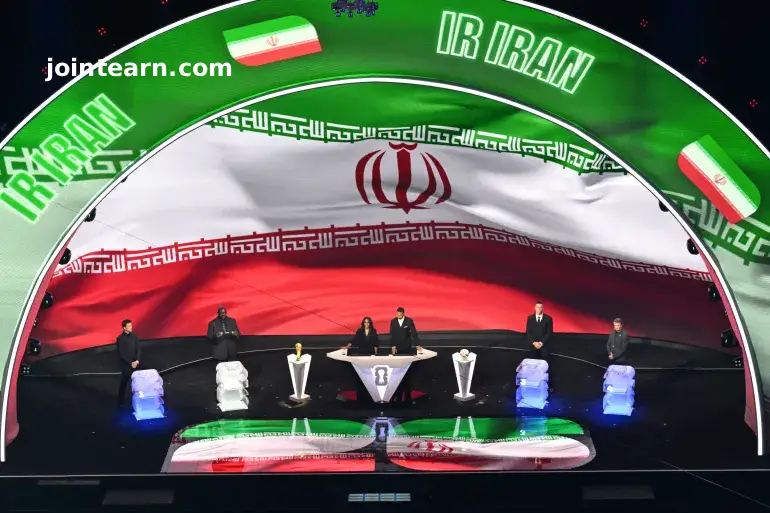
Iran initially boycotted the tournament draw in protest over U.S. visa restrictions for several members of its delegation but ultimately reversed its decision. During the draw, Shaquille O’Neal, the former NBA star and U.S. draw assistant, held the card representing Iran, symbolizing the country’s entry into the tournament despite ongoing diplomatic tensions with the United States since 1980.
Diplomatic and Cultural Tensions
The Pride Match designation highlights the ongoing cultural and political sensitivities surrounding the tournament. Iran has had no formal diplomatic relations with the United States since the 1979 Islamic Revolution and the subsequent hostage crisis. Adding to the controversy, the Pride branding intersects with deeply held social and legal norms in both Iran and Egypt, raising questions about how FIFA navigates cultural differences while promoting inclusivity and diversity.
The situation underscores the challenges FIFA faces in balancing human rights advocacy with respect for participating nations’ domestic laws, particularly in global tournaments hosted in countries with differing legal and cultural standards.


Leave a Reply