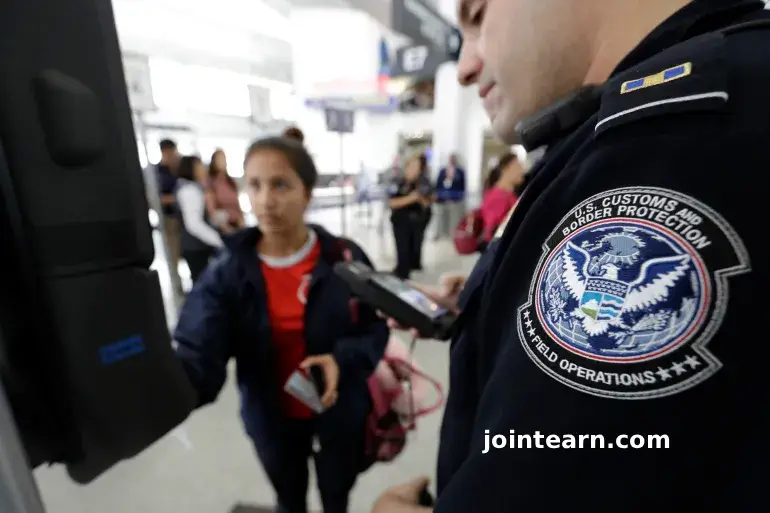
The United States is considering major changes to its entry requirements for international travelers. Under a new proposal by the Department of Homeland Security (DHS), visitors eligible for visa-free travel to the US may soon need to provide an unprecedented level of personal information—including up to five years of social media activity, email account history, family background details, and biometric data such as fingerprints, DNA, and iris scans.
This proposal, outlined in a notice published Wednesday in the Federal Register, targets travelers using the Electronic System for Travel Authorization (ESTA) under the Visa Waiver Program (VWP). The VWP allows citizens from 42 countries—including the United Kingdom, Germany, Japan, Australia, Israel, and South Korea—to visit the US for business or tourism for up to 90 days without obtaining a standard visa.
What Travelers Could Be Required to Provide
Currently, ESTA applications require travelers to submit basic personal information, including:
- Parents’ names
- Current email address
- Criminal record information
Since 2016, a question asking applicants to disclose their social media accounts has been optional. The new rules, however, would make social media disclosure mandatory and expand the scope to cover activity over the past five years.
Additionally, the proposal would require travelers to provide:
- Telephone numbers used over the past five years
- Email addresses used over the past 10 years
- Extensive family details, including places of birth and contact information
- Biometric information, including fingerprints, DNA, and iris scans
- Metadata from digitally submitted photographs
These additional requirements have been described as “high-value data fields” by the US Customs and Border Protection (CBP).
Rationale Behind the Changes
The CBP stated that these expanded requirements are intended to enhance national security screening and comply with an executive order signed by President Donald Trump in January. The order directs federal agencies to implement more comprehensive checks on travelers to prevent the entry of individuals who may pose security threats.
Travelers from countries not participating in the Visa Waiver Program have already been required to submit detailed social media information since the first Trump administration, a policy that remained in place during the Biden administration.
The Federal Register notice allows the public 60 days to submit comments before the rules are finalized.
Potential Impact on Travelers
If implemented, the proposed rules could significantly increase the information required for visa-free travel to the US, raising concerns among privacy advocates. Critics argue that collecting such extensive personal data—especially social media activity, email history, and biometric information—could lead to intrusive surveillance and privacy violations.
For travelers, this may mean:
- Longer application processing times
- Additional preparation to compile social media and email histories
- Greater scrutiny of personal networks and contacts
Supporters, however, argue that these measures are necessary to strengthen US border security and prevent the entry of individuals who may pose risks to national safety.
International Response and Next Steps
While the US government frames these changes as a national security measure, they may affect millions of tourists, business travelers, and other visitors from visa-waiver countries. Countries participating in the VWP, including major European and Asian economies, are closely monitoring the proposed changes.
The CBP has not specified how it will analyze social media accounts or what constitutes a red flag. Public feedback over the next 60 days may influence the final version of the rules.


Leave a Reply