Senate Rejects Competing Healthcare Bills
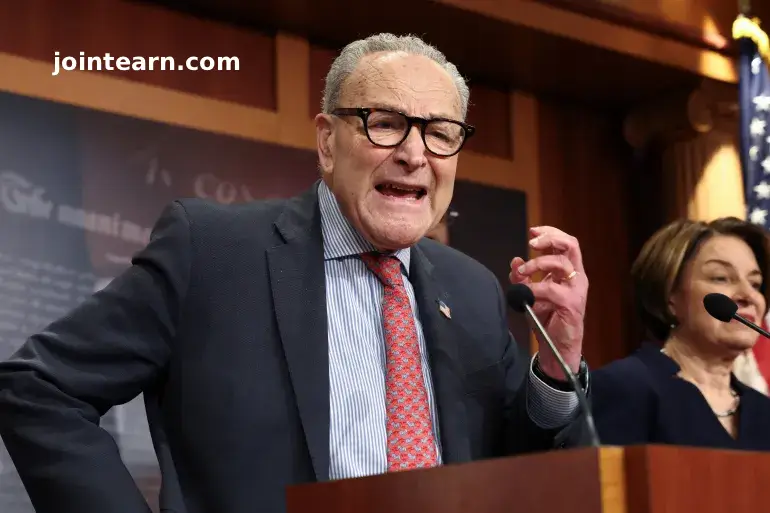
The United States Senate recently rejected two competing healthcare bills aimed at easing the financial burden on Americans facing rising insurance costs.
On December 11, 2025, a Democrat-led proposal to extend COVID-era subsidies under the Affordable Care Act (Obamacare) for three years failed to pass the Senate. The bill needed 60 votes to advance but fell short, with all Democrats voting in favor alongside four Republicans: Lisa Murkowski, Dan Sullivan, Susan Collins, and Josh Hawley.
Democrats have argued that without these subsidies, average premiums could more than double next year, threatening the financial security of millions of Americans.
Republican Proposal Also Fails
Earlier the same day, a Republican-led bill designed to provide up to $1,500 in payments to individuals and families below 700% of the federal poverty line also failed. The measure aimed to offset out-of-pocket costs for “Bronze” or “Catastrophic” insurance plans but included restrictions that Democrats opposed, such as citizenship verification and prohibitions on covering abortion or gender transition treatments.
All Democrats opposed the measure, joined by Republican Senator Rand Paul. Critics noted that even with the payments, patients could still face thousands of dollars in deductibles, leaving lower-income families vulnerable to medical debt.
Rising Costs and Public Anxiety
For many families, the stakes are high. Nicole Sheaff, a mother of four from New Hampshire, shared her fears of being unable to afford her husband’s chronic care or keep up with her mortgage if subsidies lapse. Health advocacy groups have echoed concerns that Americans may face impossible choices between medical treatment, prescriptions, and basic living expenses such as food and housing.
According to Felicia Burnett, national director for health care at MomsRising, families across the country are running out of ways to cut costs, creating widespread anxiety about accessing healthcare.
Potential Loss of Coverage
Without the extension of subsidies, approximately 2.2 million Americans could lose financial assistance for premiums, according to the Congressional Budget Office. A Reuters/Ipsos poll indicates that 51% of Americans support continuing these subsidies, including nearly three-quarters of Democrats and one-third of Republicans.
Health experts warn that if more Americans forgo insurance due to cost, emergency rooms could face severe strain. Dr. Bruce Y. Lee, professor of public health at CUNY, explains that overcrowding in emergency departments would delay care for all patients, affecting both insured and uninsured individuals.
Political Impasse Underscores Partisan Divide
The failure of both the Democratic and Republican bills highlights the growing political gridlock in Washington, leaving millions of Americans facing uncertainty in the coming year. With Congress set to adjourn until January 5, lawmakers have limited time to address the healthcare crisis before premiums rise.
This deadlock illustrates the challenges of passing bipartisan solutions in the current political climate, where rising healthcare costs and economic pressures collide with partisan disagreements.


Leave a Reply