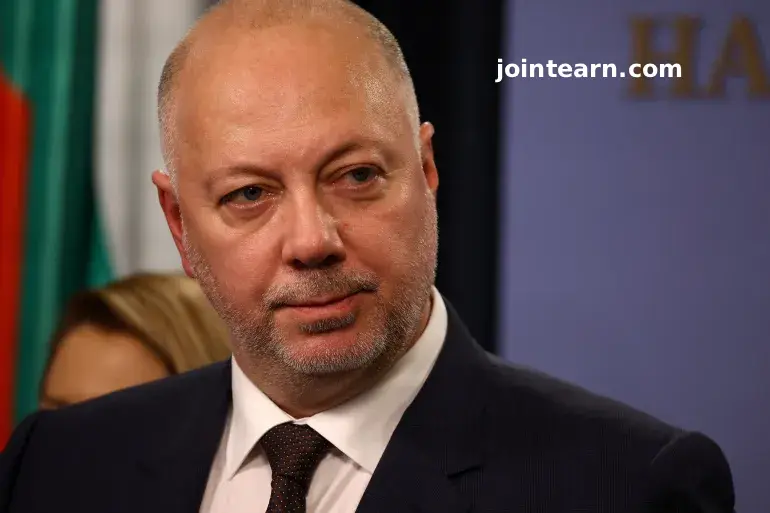
Bulgaria is facing a major political upheaval as Prime Minister Rosen Zhelyazkov announced the resignation of his government, following weeks of widespread protests across the country. The decision comes just minutes before parliament was scheduled to vote on a no-confidence motion against the cabinet, highlighting escalating public dissatisfaction with the government’s handling of economic policies and its inability to tackle entrenched corruption.
In a televised statement on December 11, 2025, Zhelyazkov explained that the government’s decision was driven by a commitment to act responsibly amid the ongoing political crisis. “Our coalition met, we discussed the current situation, the challenges we face, and the decisions we must responsibly make,” Zhelyazkov said. “Our desire is to be at the level that society expects. Power stems from the voice of the people.”
Mass Protests Shake Bulgaria
The resignation follows several weeks of intense demonstrations in Bulgaria, with thousands of citizens gathering in Sofia and numerous other towns across the Black Sea nation. The protests have been fueled by public frustration over corruption, government inefficiency, and unpopular economic policies.
Last week, in response to the protests, the government withdrew its 2026 budget plan, which would have been the first budget drafted in euros. The decision came amid opposition to proposed increases in social security contributions and higher taxes on dividends, measures intended to finance expanded state spending.
Despite these concessions, the protests continued, reflecting deep-rooted discontent in a country that has held seven national elections in the past four years, including the most recent vote in October 2024. The persistent unrest underscores the severe political and social divisions affecting Bulgaria.
President Radev Urges Government to Step Down
President Rumen Radev had also called on Zhelyazkov’s government to resign, emphasizing the need to heed public demands. In a statement shared on his official Facebook page, Radev remarked, “Between the voice of the people and the fear of the mafia. Listen to the public squares!”
With the resignation now official, President Radev will consult with parties in parliament to attempt the formation of a new government. If political parties are unable to agree, Radev is expected to appoint an interim administration to manage the country until new elections can be held.
Bulgaria Prepares for Eurozone Entry Amid Political Turmoil
The government’s resignation comes just weeks before Bulgaria is scheduled to join the eurozone on January 1, 2026. Analysts warn that the political instability could complicate the transition, potentially impacting economic reforms and investor confidence.
As Bulgaria navigates this period of uncertainty, the country’s citizens continue to demand accountability, transparency, and meaningful change from their leaders. Observers note that this resignation could mark a pivotal moment in Bulgaria’s fight against corruption and its path toward greater political stability.


Leave a Reply