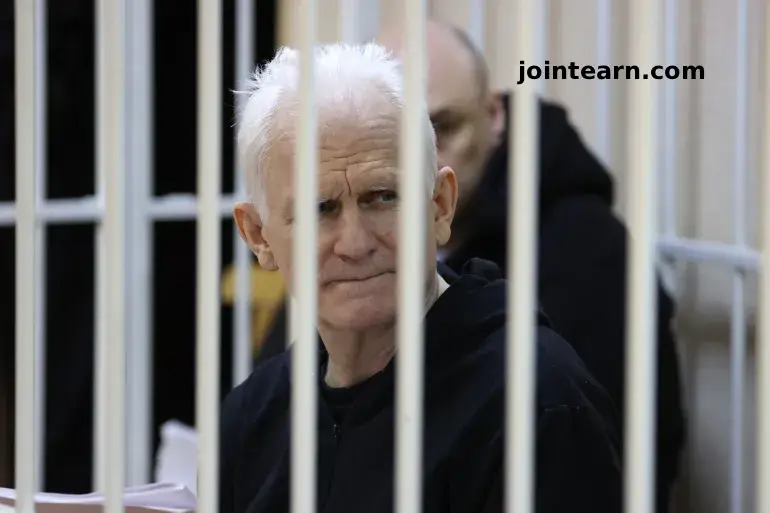
Belarus has released 123 prisoners, including Nobel Peace Prize laureate Ales Bialiatski and prominent opposition leader Maria Kolesnikova, following intensive diplomatic negotiations with the United States. The release coincides with Washington lifting sanctions on Belarusian potash exports, a key step in improving relations between the two nations.
U.S.-Belarus Talks Lead to Historic Prisoner Release
The announcement came after U.S. special envoy John Coale concluded two days of discussions with Belarusian President Alexander Lukashenko in Minsk. As a result of these talks, the United States lifted restrictions on potash, a vital component for fertilizers and a major Belarusian export.
This action marks the largest prisoner release under Lukashenko since early U.S. engagement with the Belarusian government began. Western countries had largely isolated Lukashenko due to his severe crackdown on dissent and support for Russia’s war in Ukraine.
Key Prisoners Freed
Among those released were:
- Ales Bialiatski – Nobel Peace Prize co-winner in 2022 and longtime human rights activist.
- Maria Kolesnikova – Leader of the 2020 mass protests against Lukashenko’s contested re-election.
- Viktar Babaryka – Opposition politician detained while preparing for a presidential run in 2020.
According to Ukraine’s Prisoner of War Coordination Centre, 114 prisoners were sent to Ukraine, including citizens accused of working with Ukrainian intelligence, while nine were transported to Lithuania.
Reactions from International Observers
Ukrainian President Volodymyr Zelenskyy confirmed that five Ukrainian citizens were among those freed. Meanwhile, former Belarusian diplomat Pavel Slunkin described the release as a “major improvement” in U.S.-Belarus relations, suggesting that further sanctions relief and international engagement could follow.
Exiled Belarusian opposition leader Sviatlana Tsikhanouskaya praised the efforts of the Trump administration and emphasized that while U.S. sanctions target individual human rights violations, EU sanctions focus on systemic changes, such as democratic transition and accountability.
Humanitarian Impact of the Release
Relatives of the political prisoners, journalists, and human rights groups have not received updates on many detainees for years. Former UN special rapporteur Anais Marin described the moment as “very emotional,” noting that many prisoners had been held incommunicado with no access to legal counsel or family.
Bialiatski, now on his way to Lithuania, reportedly feels well, according to his wife, Natalia Pinchuk. The Norwegian Nobel Committee welcomed the release and urged Belarus to free all remaining political prisoners.
Kolesnikova, who was transported by bus to Ukraine, shared her joy in a video published on Ukrainian social media, expressing gratitude toward international efforts that facilitated her release.
Implications for Belarus, the U.S., and the EU
The release signifies a potential shift in Belarus’ international relations, particularly with the United States. Officials suggest that these diplomatic efforts could weaken Belarus’ reliance on Russian influence while encouraging dialogue with Western countries.
However, analysts note that sanctions relief in exchange for prisoner releases raises complex questions about the balance between humanitarian efforts and long-term political accountability.
Pavel Slunkin highlighted that the move could pave the way for further lifting of sanctions, both by the U.S. and potentially the European Union.
Conclusion
Belarus’ decision to free 123 prisoners, including high-profile political figures and Nobel laureates, represents a significant diplomatic milestone. The coordinated efforts of the U.S., Ukraine, and other nations demonstrate the impact of international pressure and negotiation on human rights and political freedom.
While the immediate humanitarian relief is clear, the long-term political and economic consequences for Belarus remain closely watched by global observers.


Leave a Reply