Escalating Conflict Leaves Civilians Trapped in Kadugli
Kadugli, South Kordofan – December 15, 2025: In Sudan’s embattled Kordofan region, civilians in the city of Kadugli are trapped in a state of extreme fear and deprivation as the ongoing war between the Sudanese army and the paramilitary Rapid Support Forces (RSF) intensifies.
Two and a half years of armed conflict have devastated Kadugli, the capital of South Kordofan, leaving the city under siege and its population facing unprecedented levels of violence and famine. In recent weeks, attacks have escalated, including a deadly drone strike on a United Nations peacekeeping base that killed six Bangladeshi soldiers, highlighting the extreme risks faced by both civilians and aid workers.
Life Under Siege: Accounts from Kadugli Residents
AFP obtained rare testimonies from residents of Kadugli, anonymized for their safety, revealing the daily horrors of living in a city cut off from the rest of Sudan.
Under a communications blackout, internet access is limited, monitored, and prohibitively expensive. Residents describe constant fear of random shelling, drone strikes, and attacks by armed factions surrounding the city.
“We’ve had a lot of shelling and drone attacks lately,” one resident said. “We live in fear that random shelling can happen at any time. Everyone is forced to stay confined in their homes.”
The city is geographically hemmed in by the Nuba Mountains, controlled by the army, but effectively encircled by paramilitary forces. The only road connecting Kadugli to the outside world—north to Dilling and south to the South Sudan border—has been blocked for over a year by the Sudan People’s Liberation Movement-North (SPLM-N), leaving the city completely isolated.
Civilians Caught Between Armed Factions
Residents report that both the army and the RSF indiscriminately fire heavy artillery into the city. Paramilitary forces also occupy eastern highlands, where their positions with heavy artillery are visible to the naked eye.
“Civilians are facing a tragic situation. We are at constant risk from heavy artillery, bullets, and attacks that clearly target everything in the city, not just military positions,” a resident said.
In addition to physical dangers, fear of political persecution adds to the anxiety. Locals report being accused of spying for rival factions, resulting in imprisonment or extrajudicial killings.
“It is not only the drone strikes we fear, but also the government and army. Accusations of spying put us at constant risk,” another resident explained.
Starvation and the Struggle for Survival
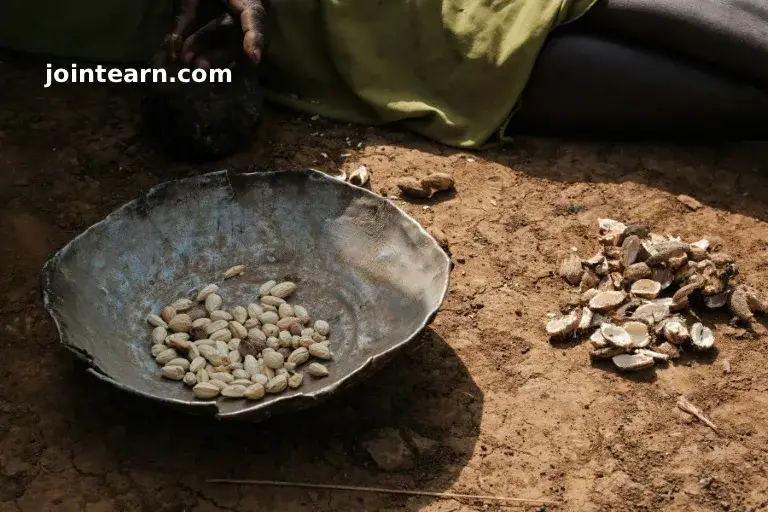
Humanitarian conditions in Kadugli are dire. Supplies that reach the city are smuggled in at exorbitant prices, inaccessible to most families. Food and medicine are scarce, leaving many households dependent on a single staple: sorghum.
“Some families try to grow vegetables in small gardens, but most rely on foraging in the forest or begging to survive,” one resident said.
The famine has caused tragic deaths. In one heartbreaking case, four siblings, aged four to twelve, died after consuming poisonous fruit from a tree due to the lack of other food sources. Residents buried them locally, a grim reminder of the human cost of the siege.
International Response and Humanitarian Concerns
The UN has repeatedly warned of a “brutal escalation” in Kadugli and declared famine conditions in the region. Aid access is severely limited due to the ongoing conflict, communication restrictions, and security risks. Humanitarian organizations emphasize the urgent need for safe corridors and increased international support to prevent further civilian deaths.
The suffering of Kadugli’s residents underscores the broader humanitarian crisis in Sudan, where years of civil war and paramilitary operations continue to threaten the lives of thousands of innocent civilians.


Leave a Reply