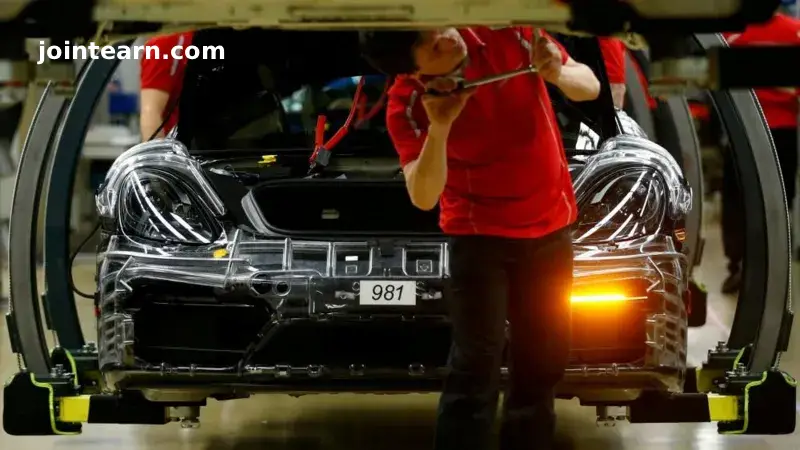
The European Commission has scaled back its plan to ban the sale of new petrol and diesel vehicles by 2035, allowing carmakers more flexibility amid lobbying from Germany and other major automotive nations.
Under the previous rules, all new cars sold from 2035 would have been required to be fully zero-emission. However, the revised plan stipulates that only 90% of new vehicles must meet zero-emission standards, leaving room for 10% of conventional petrol, diesel, or hybrid vehicles.
The move has sparked debate across Europe, with some industry groups welcoming the flexibility while environmental advocates warn it could slow the transition to electric vehicles (EVs).
Why the Change?
According to the European Automobile Manufacturers Association (ACEA), current market demand for electric cars is too low to meet the original 100% zero-emission target. Without this adjustment, manufacturers could face multi-billion-euro penalties.
Sigrid de Vries, ACEA’s director general, stated that flexibility is “urgent,” emphasizing that the infrastructure for EVs, including charging stations and fiscal incentives, is not yet fully in place.
“2030 is around the corner, and market demand is too low to avoid penalties for manufacturers. Policy makers must provide breathing space to sustain jobs, innovation, and investments,” she explained.
Key Elements of the New Plan
- 90% Zero-Emission Vehicles (ZEVs): Only 90% of new cars sold from 2035 must be electric or hydrogen-powered, down from the previous 100% target.
- 10% Flexibility: Manufacturers can produce conventional petrol, diesel, or hybrid vehicles to meet the remaining quota.
- Low-Carbon Steel: Carmakers will be encouraged to use low-carbon steel produced in the EU in new vehicles.
- Biofuels and e-Fuels: Increased adoption of biofuels and synthetic e-fuels is expected to compensate for emissions from remaining combustion vehicles.
Industry Reactions
Volkswagen praised the European Commission’s draft proposal, calling it “economically sound overall.” The company welcomed flexibility for CO₂ targets for 2030 and support for small electric vehicles.
Volvo, meanwhile, warned that weakening long-term EV commitments could harm Europe’s competitiveness. The automaker highlighted its own successful transition to an all-electric portfolio in less than a decade and stressed that hybrids should only serve as a transitional solution.
Other industry experts emphasized the importance of a consistent policy framework. Colin Walker of the Energy and Climate Intelligence Unit (ECIU) noted that stable policy encourages investment in EV infrastructure, citing Nissan’s Sunderland plant as a successful example of long-term planning.
Environmental and Policy Concerns
Environmental groups have expressed concern that reducing the zero-emission target could slow the EU’s green transition. Transport & Environment (T&E) warned that the UK and other countries should maintain ambitious policies to avoid losing competitiveness in the fast-growing global EV market.
T&E UK director Anna Krajinska said: “Our ZEV mandate is already driving jobs, investment, and innovation. Weakening these goals sends a damaging signal to investors and manufacturers.”
Global Implications
This decision by the European Commission comes amid broader international efforts to accelerate the shift toward electric mobility. Governments worldwide are pushing automakers to invest in electric vehicle production, expand charging networks, and adopt low-carbon materials to meet ambitious climate targets.
While some manufacturers welcome the short-term flexibility, experts argue that consistent and ambitious long-term policies are essential to secure Europe’s industrial future, protect jobs, and reduce carbon emissions.


Leave a Reply