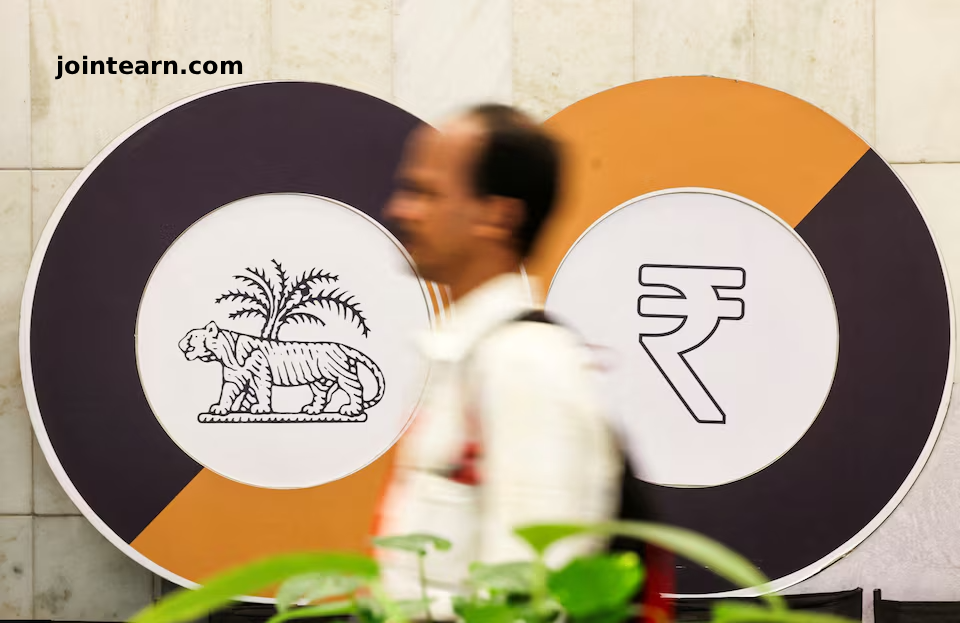
India’s RBI Intervenes to Halt Rupee Slide Amid Market Volatility
India’s central bank, the Reserve Bank of India (RBI), took decisive action on Wednesday to halt the rupee’s persistent decline, selling dollars in currency markets to stabilize the domestic currency.
The intervention comes after the Indian rupee fell more than 1% over the previous four sessions, hitting fresh lifetime lows amid rising dollar demand and speculative pressures. Following the RBI’s measures, the rupee rallied to an intraday high of 89.75 against the U.S. dollar, recovering from levels near 91.00 before the intervention. The currency was last trading at 90.28.
RBI’s Aggressive Currency Market Measures
According to VRC Reddy, treasury head at Karur Vysya Bank, “At about 91, the rupee appears overly depreciated. The central bank had stayed relatively light on FX management in December (until now).”
The intervention mirrored RBI’s previous heavy-handed efforts in October and November 2025, when the central bank sold dollars aggressively in both the spot and non-deliverable forward (NDF) markets, triggering intraday reversals and disrupting one-way declines.
Unlike earlier interventions that occurred before local market openings, Wednesday’s dollar sales came shortly after onshore trading began, reflecting RBI’s adaptive approach to real-time market conditions.
Market Context
The rupee’s recent underperformance has been notable:
- The rupee weakened 1.8% in December through Tuesday, while most Asian peers remained flat or slightly stronger.
- Persistent speculative short positions and rising importer hedging amplified downward pressure on the currency.
- The disconnect from broader Asian currency movements increased the likelihood of central bank intervention.
A currency trader noted that the RBI’s goal is to prevent one-way moves, which can encourage speculative runs and destabilize markets. The central bank’s timely intervention was aimed at maintaining market confidence and reducing volatility for importers and exporters.
Global Market Impact
The RBI’s action occurred alongside mixed signals in global markets. Wall Street indexes ended mixed on Tuesday, with the Dow Jones Industrial Average down 0.6%, reflecting lingering uncertainties in equity markets.
The move also highlights the importance of central bank interventions in emerging markets, particularly when domestic currencies face speculative pressures that diverge from broader regional trends.
Outlook for the Rupee
Analysts expect that RBI will continue to monitor the rupee closely, stepping in when necessary to prevent excessive depreciation. Sustained interventions may help maintain foreign exchange stability, support import-dependent sectors, and manage market sentiment ahead of global economic uncertainties.
Investors and traders will likely watch upcoming global interest rate decisions, oil price movements, and geopolitical developments to gauge the rupee’s trajectory in the near term.


Leave a Reply