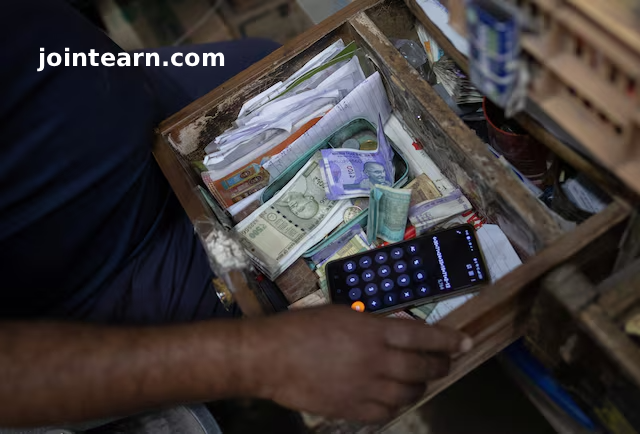
Mumbai, December 17, 2025 – The Indian rupee made a strong comeback on Wednesday, posting its best one-day gain in two months after decisive intervention by the Reserve Bank of India (RBI) halted a five-day losing streak. The currency closed at 90.38 per U.S. dollar, up 0.7% from Tuesday’s close of 91.0275, reversing losses from earlier in the week.
Traders noted that the rupee had touched an all-time low of 91.0750 in the previous session, before jumping sharply after the RBI stepped in to stabilize the currency. The central bank’s intervention aimed to curb speculative pressure and prevent further depreciation, echoing its aggressive measures in October and November.
RBI Steps In to Stabilize the Rupee
The RBI’s move signals its concern over the rapid depreciation of the rupee beyond recent trading ranges, according to Abhishek Goenka, CEO of FX advisory firm IFA Global. He said:
“While the broader bias for USD/INR remains influenced by trade deals and capital flow dynamics, today’s action reinforces the RBI’s role as a stabilizer rather than a defender of fixed levels.”
The rupee had declined nearly 2% in December prior to the intervention, making it Asia’s worst-performing currency this year. Factors contributing to the rupee’s weakness include:
- Stalled U.S.-India trade talks
- Record portfolio outflows
- Corporate caution amid fears of further depreciation
Trade and Capital Flow Dynamics
Data from clearing houses showed elevated importer activity in November, while exporters held back, adding pressure to the currency. Despite trading in “undervaluation” territory, investors remain cautious in buying Indian stocks and bonds, citing ongoing uncertainty over a missing trade agreement with the U.S.
At the same time, a broadly stronger U.S. dollar weighed on most Asian currencies. The dollar index rose nearly 0.4% to 98.6, underscoring global headwinds facing emerging market currencies.
Market Outlook
The RBI’s intervention demonstrates its willingness to stabilize the rupee through market operations, rather than maintain a fixed exchange rate. Analysts expect that while short-term volatility may persist, policy actions and trade developments will remain key drivers for the rupee’s trajectory in the coming months.
Investors are closely monitoring capital inflows, export activity, and bilateral trade negotiations, which will influence both the currency and broader Indian financial markets.


Leave a Reply