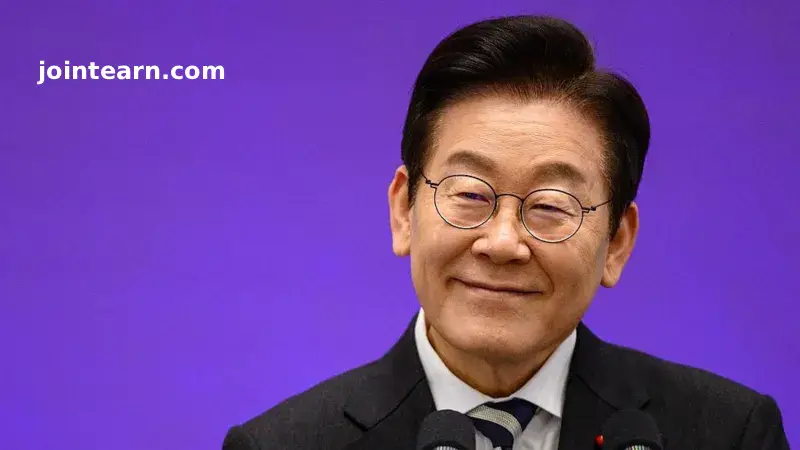
South Korea’s newly elected President Lee Jae Myung has sparked a debate by suggesting that the country’s national health insurance should cover treatments for hair loss.
Speaking to officials this week, President Lee argued that hair loss is no longer purely cosmetic. For many young South Koreans, he said, it has become “a matter of survival,” given the social stigma and impact on confidence.
Currently, the national health insurance scheme covers hair loss caused by medical conditions but excludes hereditary baldness, Health Minister Jeong Eun-kyeong explained.
“Is it just a matter of whether to define hereditary disease as a disease?” Lee asked at the briefing, highlighting his push to expand insurance coverage.
Public Reactions Mixed
The proposal has drawn both praise and criticism. Some social media users celebrated Lee’s initiative, calling him “the best president in history” for prioritizing a quality-of-life issue that affects confidence and mental health.
Others, however, question the necessity of subsidizing treatments that are already relatively affordable. Song Ji-hoon, 32, a Seoul resident, said:
“Saving money sounds nice, but honestly it costs less than 300,000 won ($200) a year, so… is it even necessary?”
Hair Loss in South Korea: A Growing Concern
Baldness carries significant stigma in South Korea, a country known for its strict beauty standards. Out of 240,000 patients who visited hospitals for hair loss last year, 40% were in their 20s or 30s.
Lee Won-woo, 33, from North Chungcheong province, shared:
“My fringe keeps receding and won’t stay up, so I can’t get a perm or use wax properly. It has seriously eroded my confidence.”
While Lee supports subsidizing hair loss medication, he also acknowledged the financial strain on national health insurance, which ran a record deficit of 11.4 trillion Korean won ($7.7bn; £5.8bn) last year. He suggested that coverage limits could mitigate costs.
Critics Call for Broader Priorities
Many critics argue that government resources should focus on serious health issues and social problems. The Korean Medical Association stressed that funds should first address life-threatening conditions.
Social media users highlighted pressing societal issues, such as South Korea’s high suicide rate and persistent misogyny, arguing that subsidizing hair-loss drugs seems trivial in comparison.
“In a country where people react hysterically when there are calls to cover sanitary pads… announcing that hair-loss drugs will be covered would honestly feel like a bad joke,” wrote one X user.
Political Background
Lee’s advocacy for hair loss treatment is rooted in his 2022 presidential campaign, where it became a symbolic rallying point. His team engaged with people struggling with baldness and even released a viral parody hair loss commercial. Critics accused him of targeting young male voters, a demographic largely backing his conservative opponent.
Although hair loss coverage was not emphasized in his successful 2025 campaign, some analysts see the latest proposal as a gesture aimed at expanding support ahead of local elections in mid-2026.
Looking Ahead
Lee has also proposed adding obesity drugs to national health insurance, citing a need to tailor healthcare benefits to younger generations. However, political science experts remain skeptical about whether hair loss treatment coverage will move forward:
“Personally, I doubt President Lee will carry on this issue and take further action. It’s just a strategic gesture targeting young male voters,” said Don S Lee, associate professor of political science at Korea University.


Leave a Reply