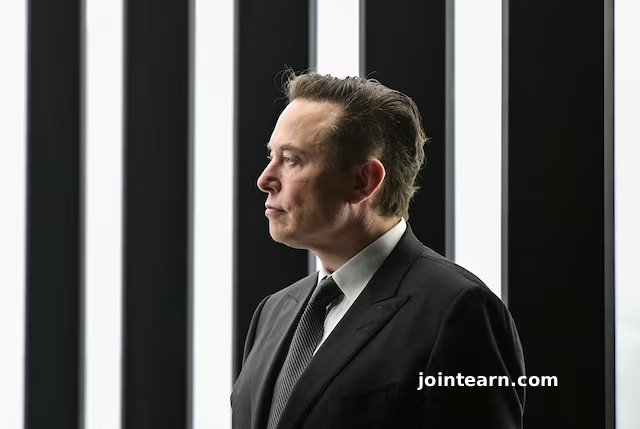
December 20, 2025 – Wilmington, Delaware – In a landmark ruling, the Delaware Supreme Court restored Elon Musk’s controversial 2018 pay package from Tesla, Inc., nearly two years after a lower court struck it down. The 2018 compensation plan, initially valued at $56 billion, is now worth approximately $139 billion due to the rise in Tesla’s stock price. The decision marks a major victory for Musk, bolstering his control over Tesla while reaffirming shareholder-approved compensation agreements.
Background: The 2018 Tesla Pay Package
The 2018 Tesla pay package was designed as an incentive-based stock option plan, granting Musk the ability to acquire approximately 304 million Tesla shares at a deeply discounted price if the company reached specific performance milestones. The plan represented one of the largest executive pay agreements in corporate history and tied Musk’s compensation to Tesla’s long-term growth and shareholder value.
Shortly after shareholders approved the 2018 plan, a legal challenge arose. Richard Tornetta, a Tesla shareholder holding nine shares, filed a lawsuit claiming that the company’s board had hidden key facts from shareholders, creating a conflict of interest during the approval process.
Delaware Court Battle and Controversy
In 2024, Delaware Judge Kathaleen McCormick ruled that Tesla’s board had acted in conflict and ordered the 2018 pay package rescinded, describing it as “unfathomable.” The decision sparked significant debate about Delaware’s business-friendly reputation, corporate governance, and executive compensation. Musk criticized the ruling, labeling Delaware judges as hostile to tech founders, and suggested that other companies consider relocating their incorporation to more business-friendly states like Texas or Nevada. Companies such as Dropbox, Roblox, Trade Desk, and Coinbase subsequently moved their legal headquarters.
Supreme Court Reversal Restores Musk’s Compensation
The Delaware Supreme Court overturned the lower court’s 2024 decision, stating that rescinding the plan was improper and inequitable. The court emphasized that total rescission “leaves Musk uncompensated for his time and efforts over a period of six years,” effectively reinstating his right to the stock options tied to Tesla’s performance.
With Tesla’s current stock price, the 2018 package is now valued at $139 billion. If Musk exercises all options from this plan, his ownership stake in Tesla would increase from roughly 12.4% to 18.1% of the expanded share base. The ruling also protects Musk’s control of the company as Tesla issues new shares tied to a separate, shareholder-approved pay package, which could be worth as much as $878 billion if performance targets are met.
Impact on Tesla, Investors, and Shareholders
Following the Supreme Court decision, Tesla shares rose slightly, reflecting investor confidence in Musk’s continued leadership. Analysts note that restoring the 2018 package strengthens Musk’s position in strategic decision-making while aligning executive incentives with company performance.
The ruling also highlights the importance of shareholder-approved compensation plans. Experts suggest that courts may be hesitant to override agreements that have strong shareholder backing, especially when executive pay is tied to measurable performance milestones.
Musk’s Broader Business Influence
Elon Musk, already the world’s richest person, also leads SpaceX and xAI, an artificial intelligence startup. The Supreme Court victory ensures he maintains significant control over Tesla while continuing his broader entrepreneurial ventures.
Tesla, now incorporated in Texas, has taken measures to limit shareholder litigation risks. Under Texas law, any investor must hold at least 3% of Tesla stock to sue for corporate law violations—a threshold that protects Musk from potential legal challenges, given his substantial shareholding.
Conclusion
The Delaware Supreme Court’s decision to restore Elon Musk’s 2018 Tesla pay package represents a major legal and financial milestone. With a value of $139 billion, the ruling strengthens Musk’s control over Tesla, validates shareholder-approved compensation, and underscores the significance of performance-based executive pay in the U.S. corporate landscape. This historic decision may influence future executive compensation disputes and corporate governance standards across the country.


Leave a Reply