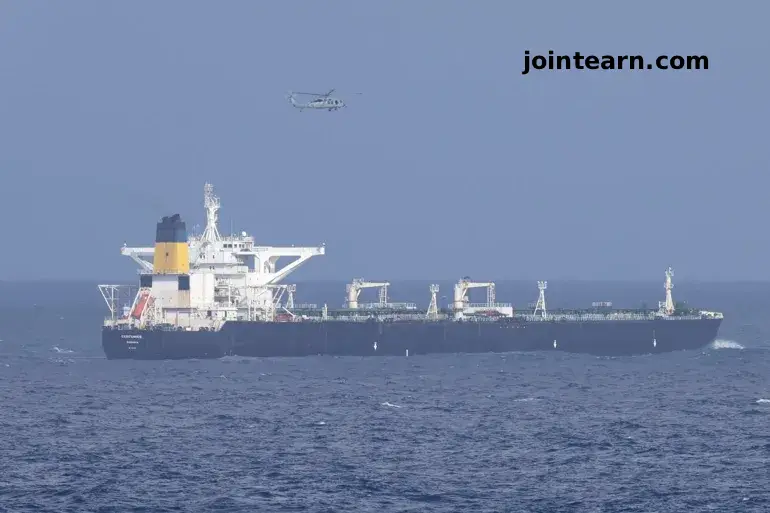
The United States Coast Guard is actively pursuing a third oil tanker in international waters near Venezuela, part of Washington’s ongoing campaign to enforce sanctions against Venezuelan oil exports. The operation comes just a day after the US seized its second vessel in two weeks, intensifying pressure on the government of Venezuelan President Nicolas Maduro.
A US official confirmed to Al Jazeera that the Coast Guard “remains in active pursuit” of the tanker, which is part of Venezuela’s so-called dark fleet, reportedly trying to evade sanctions on the country’s crucial oil sector. The vessel is reportedly “flying a false flag” and is under a judicial seizure order, though it has not yet been boarded.
Details of the Third Vessel
Maritime monitoring group Vanguard identified the tanker as Bella 1, a very large crude carrier added to the US Treasury sanctions list last year due to links with Iran. According to TankerTrackers.com, Bella 1 was empty while approaching Venezuelan waters on Sunday. Historical records indicate that the vessel has previously transported Venezuelan oil to China and carried Iranian crude.
The Reuters news agency reported that interceptions of sanctioned vessels can involve different measures, including close monitoring by ships or aircraft, without boarding the tanker directly.
Recent US Seizures
The pursuit follows two recent US Coast Guard operations targeting Venezuelan oil tankers:
- Centuries – a Panama-flagged vessel carrying 1.8 million barrels of Venezuelan Merey crude bound for China.
- Skipper – previously seized and now docked in Texas, where its 1.9 million barrels of crude are being offloaded for refining.
The operations are part of what the White House describes as a “total and complete blockade” of sanctioned oil tankers entering or leaving Venezuelan ports. White House officials assert that the oil carried by the vessels is black market oil from state-owned PDVSA and does not affect US domestic fuel prices.
International Response and Criticism
Venezuela has condemned the US actions as “international piracy”, insisting that Washington is attempting to overthrow Maduro to seize Venezuela’s vast oil reserves, the largest in the world. Critics, including some US lawmakers, have described the operations as provocations that could escalate tensions in the region.
Senator Rand Paul labeled the move a “provocation and a prelude to war,” cautioning that US military intervention against Venezuela could set a dangerous precedent. Analysts have also questioned the legality of the seizures, noting that they have already resulted in civilian casualties in prior operations targeting alleged drug trafficking vessels.
Strategic Context and Trade Implications
The US military buildup in the Caribbean and Pacific, aimed at combating drug trafficking, has coincided with the seizure of vessels linked to Venezuelan oil exports. Experts note that despite heightened tensions, trade between the US and Venezuela continues under regulated agreements, particularly through Chevron.
Ernesto Castaneda, a Latin America expert at the American University in Washington, DC, explained that while the US continues to intercept certain tankers, the majority of Venezuelan oil shipments to the US and other markets, including China, remain ongoing.
Conclusion
The US pursuit of the third tanker underscores ongoing geopolitical tensions in the Caribbean and highlights the complexities of enforcing sanctions in international waters. With Venezuelan oil at the center of both economic and strategic interests, Washington’s operations are likely to continue drawing global scrutiny and criticism.


Leave a Reply