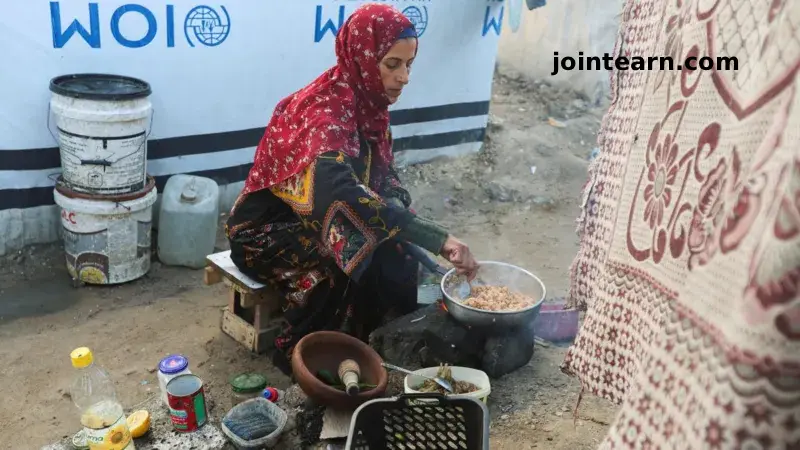
New Israeli Rules Threaten Humanitarian Aid in Gaza and West Bank
The United Nations and major international aid organizations have raised alarm over new Israeli registration rules for international non-governmental organizations (INGOs), warning that these regulations could lead to the collapse of critical humanitarian operations in Gaza and the occupied West Bank.
According to the new rules, any INGO not officially registered by 31 December 2025 faces mandatory closure of operations in Israel within 60 days. Aid agencies have cautioned that this could severely disrupt healthcare services, food distribution, emergency shelters, and other life-saving programs across Gaza.
Save the Children and MSF Among Affected Organizations
Save the Children, which provides healthcare, clean water, cash assistance, and mother-and-baby support in Gaza, confirmed that its registration application had not yet been approved. A spokesperson told the BBC:
“We are pursuing all available avenues to have this decision reconsidered, including filing a petition with the Israeli courts. Meanwhile, our team of over 300 dedicated Palestinian staff continues to deliver essential support to families and children.”
Similarly, Médecins Sans Frontières (MSF), which operates six public hospitals and two field hospitals in Gaza, highlighted the potentially catastrophic impact of restricting INGO operations. MSF emphasized that with Gaza’s healthcare system already severely weakened, further reductions in humanitarian access would be disastrous for civilians.
“Independent and experienced humanitarian organisations losing access to respond would be a disaster for Palestinians,” MSF stated.
Overview of Israeli Registration Requirements
The Israeli Ministry of Diaspora Affairs and Combating Antisemitism outlined several grounds for rejecting INGO applications, including:
- Denying Israel’s status as a Jewish and democratic state
- Denying the Holocaust or Hamas-led attacks on Israel in October 2023
- Supporting armed struggle against Israel
- Promoting campaigns aimed at delegitimizing Israel
- Calling for or participating in boycotts of Israel
- Supporting prosecution of Israeli security forces in foreign or international courts
Out of approximately 100 applications, 14 have been rejected, 21 approved, and the remaining are under review. The ministry has maintained that the departure of “rogue organisations” will not impact the delivery of humanitarian aid.
UN Warns of Dire Consequences
The Humanitarian Country Team of the Occupied Palestinian Territory, a forum of over 200 international and local organizations, warned that the new system “fundamentally jeopardises” humanitarian operations. The team emphasized that the registration criteria are vague, arbitrary, and politicized, making it impossible for INGOs to comply without violating international law or humanitarian principles.
Currently, INGOs manage the majority of Gaza’s essential services, including:
- Field hospitals and primary healthcare centers
- Emergency shelters
- Water and sanitation infrastructure
- Nutrition centers for children with acute malnutrition
- Critical mine action and safety programs
If these operations were halted, the Humanitarian Country Team warned that one in three healthcare facilities in Gaza could close, putting thousands of lives at risk, especially during winter.
“The UN will not be able to compensate for the collapse of INGOs’ operations if they are de-registered,” the statement said.
Israeli Response
Israeli officials argue that INGOs have been given ample time to register, extending the original deadline from 9 September to 31 December 2025. They maintain that the process has involved all relevant security and government agencies, and reject claims that widespread rejections are occurring.
“Humanitarian aid will continue uninterrupted. The departure of rogue organisations whose real objective is to undermine the State of Israel under a humanitarian guise will not affect ongoing aid delivery,” a ministry spokesperson stated.
The Humanitarian Crisis in Context
With Gaza facing severe shortages in healthcare, food, and basic services, the potential disruption of INGO operations could worsen already dire conditions. UN experts report that while food supplies have improved slightly, approximately 100,000 people remain in catastrophic conditions.
The new registration rules have raised concerns about the long-term stability of the humanitarian response in the occupied Palestinian territories, threatening fragile ceasefires and putting vulnerable populations, including children and the elderly, at heightened risk.
Conclusion
International NGOs play an indispensable role in Gaza, providing essential healthcare, nutrition, and emergency support. The enforcement of Israel’s new registration requirements risks undermining these critical services, creating a humanitarian crisis of unprecedented scale. Both the UN and humanitarian organizations have called on Israel to ensure that life-saving operations continue uninterrupted, emphasizing that civilians must not bear the consequences of political or bureaucratic measures.


Leave a Reply