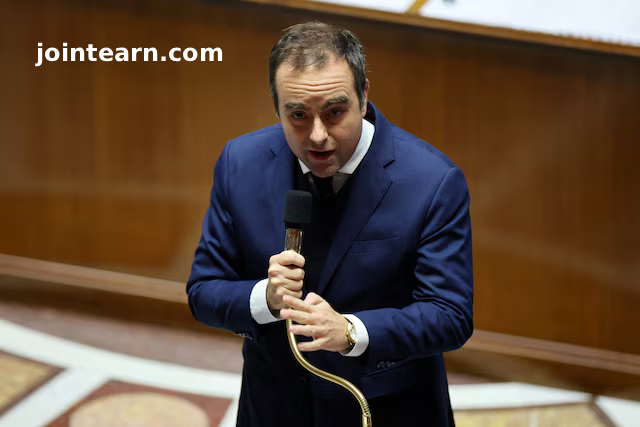
French lawmakers are moving quickly to approve emergency legislation aimed at keeping the state operational in January 2026, as France’s deeply divided parliament struggles to pass a full annual budget. The measure, proposed by Prime Minister Sebastien Lecornu, will temporarily extend 2025 spending levels while allowing for tax collection and debt issuance.
Emergency Stopgap to Avoid Government Shutdown
The legislation, submitted late Monday by Prime Minister Lecornu, follows failed negotiations last Friday between both houses of parliament on the 2026 budget. Key disagreements remain over spending cuts, tax hikes, and fiscal priorities, leaving France at risk of operational disruption.
- The emergency law effectively rolls over the 2025 budget into January 2026.
- It ensures continued payment of civil servants and operation of essential services, including schools reopening after the holidays.
- Finance Minister Roland Lescure cautioned that the law is only a temporary measure, urging lawmakers to approve a full budget promptly in early 2026.
“We’re going to keep paying civil servants, essential services will continue, but there will be no new investments,” Lescure told BFM TV.
Fiscal Challenges and Investor Scrutiny
France faces a budget deficit of 5.4% of GDP, the highest in the eurozone this year. Investors and credit rating agencies are closely monitoring the government’s efforts to control public spending and maintain fiscal stability.
Lecornu’s minority government has limited flexibility in a fractured parliament, where budget disputes have already toppled three governments since President Emmanuel Macron lost his majority in the 2024 snap election.
France previously relied on emergency rollover legislation in 2024 to bridge the gap until a proper 2025 budget was passed, a move that reportedly cost 12 billion euros ($14 billion).
Outlook for 2026 Budget
While the emergency measure avoids an immediate U.S.-style government shutdown, it underscores ongoing political and fiscal uncertainty. Analysts expect the government to face continued pressure to reconcile spending priorities, social programs, and tax reforms to secure long-term budget approval.
- Lawmakers must now negotiate a comprehensive 2026 budget to replace the stopgap by early next year.
- The situation highlights the challenges of governing with a minority administration in a politically fragmented environment.


Leave a Reply