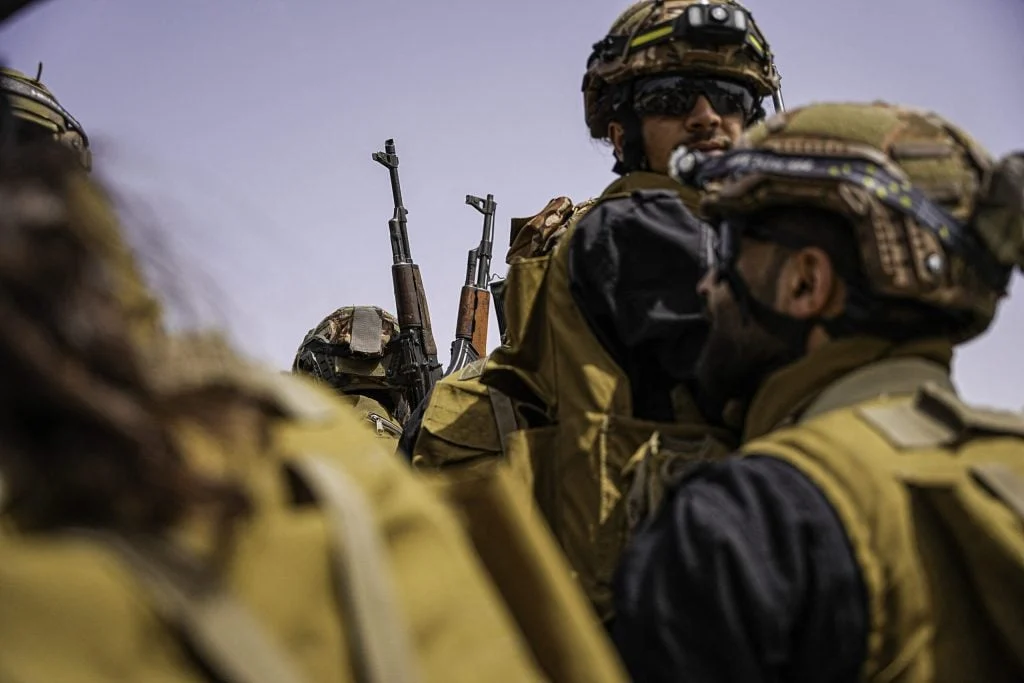
In a significant development in northern Syria, the Syrian government forces and the Kurdish-led Syrian Democratic Forces (SDF) have agreed to halt hostilities in Aleppo following deadly clashes that resulted in at least two civilian deaths and multiple injuries. The ceasefire comes amid rising tensions coinciding with the visit of Turkish Foreign Minister Hakan Fidan.
Ceasefire After Deadly Violence
According to Syria’s state news agency, the Ministry of Defence announced that the army’s general command had ordered its forces to stop targeting SDF fighters after clashes erupted. The violent confrontation occurred in Aleppo’s Kurdish-majority neighborhoods of Ashrafiyah and Sheikh Maqsoud, regions long controlled by the SDF.
The SDF, which governs large areas of northeastern Syria, had previously pledged to integrate into the Syrian state’s armed forces by a year-end deadline, a commitment that Turkish officials claim has not been honored. Fidan emphasized that the integration of Kurdish forces into the Syrian army is crucial for the long-term stability of Syria and the surrounding region.
Background on the SDF and Turkish Concerns
The SDF is primarily composed of the People’s Protection Units (YPG), which Turkey considers a terrorist organization due to its links to the Kurdistan Workers’ Party (PKK). The PKK, designated as a terrorist group by both the United States and the European Union, has a history of armed conflict with Turkey spanning over four decades, leaving thousands dead.
Earlier this year, the PKK announced it would abandon armed struggle following a directive from its imprisoned leader, Abdullah Öcalan. Despite this, Turkey continues to monitor Kurdish forces closely, particularly their potential integration into Syrian state structures.
Stalled Integration Efforts
Under a March agreement between Damascus and the SDF, Kurdish forces were to merge with the Syrian army. However, the process has been slow, and implementation has stalled due to disagreements over whether the SDF would retain its organizational cohesion or dissolve into individual units within the army.
Syrian analyst Gamal Mansour, a political science lecturer at the University of Toronto, told Al Jazeera that the SDF has been “playing for time,” avoiding decisive steps that could fully integrate them into state forces. Clashes in Aleppo were seen as a reaction to provocations by Syrian government troops, who sought to assert control over Kurdish-held neighborhoods.
Conflicting Reports and Denials
The Syrian Ministry of Interior reported that Kurdish forces attacked government personnel at joint checkpoints, while the SDF claimed that pro-government factions carried out the aggression. Both sides issued denials of initiating attacks, reflecting ongoing mistrust between Damascus and Kurdish authorities.
Implications for Syria’s Stability
Integrating the SDF into the Syrian military remains a critical step for addressing Syria’s deepest political and territorial fractures, which persist following the ousting of Bashar al-Assad last year. Failure to achieve a comprehensive agreement risks renewed armed conflict that could destabilize Aleppo and potentially draw Turkey further into the conflict.
The integration debate also hinges on Turkey’s opposition to allowing the SDF to enter the Syrian army as a unified entity, citing the group’s historical ties to the PKK. Preliminary discussions suggest that three SDF-affiliated divisions may eventually join the Syrian army, though final agreements are still pending.
Turkish Diplomacy and Regional Stability
Fidan, accompanied by Turkish Defense Minister Yasar Guler and intelligence chief Ibrahim Kalin, underscored the importance of Syrian stability for Turkey’s national security. He urged the SDF to cease obstructing efforts toward Syria’s unity, prosperity, and security.
Syrian Foreign Minister Asaad al-Shaibani criticized the SDF for “systematic procrastination” while Turkish officials emphasized that delays in integration undermine regional stability. Discussions also covered strategies to combat terrorism and prevent the resurgence of ISIS in Syria.
Looking Ahead
The Aleppo ceasefire highlights the delicate balance between Syrian government forces, Kurdish authorities, and regional powers like Turkey. While the immediate threat of violence may have subsided, the long-term integration of the SDF into the Syrian army remains uncertain, carrying significant implications for the future political landscape of Syria and the broader Middle East.


Leave a Reply