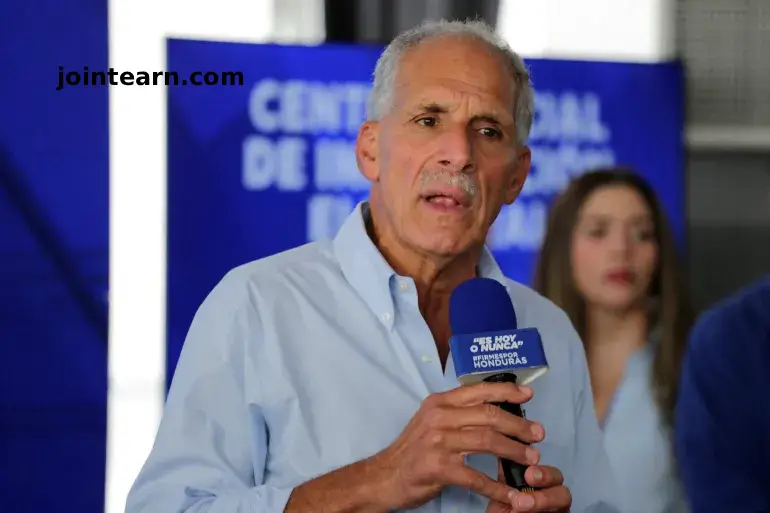
Tegucigalpa, Honduras – Conservative candidate Nasry Asfura, backed by US President Donald Trump, has won the tightly contested presidential election in Honduras, according to the country’s electoral council (CNE). The announcement comes more than 20 days after the vote.
Narrow Victory in Contentious Vote
Asfura secured 40.3% of the vote, narrowly defeating centre-right Liberal Party candidate Salvador Nasralla, who received 39.5%. Left-wing candidate Rixi Moncada trailed with less than 20%.
In a brief social media post, Asfura said:
“Honduras: I am prepared to govern. I will not fail you.”
The results are likely to face challenges, given the slim margin and the highly polarized political climate.
US and International Reactions
Trump strongly supported Asfura during the campaign, criticizing both Nasralla and Moncada. US Secretary of State Marco Rubio congratulated Asfura, emphasizing that Washington expects all parties to respect the confirmed results.
Earlier this month, Trump pardoned former Honduran President Juan Orlando Hernandez, a member of Asfura’s National Party, who had been serving a US prison sentence for drug trafficking.
Pro-Israel Stance and International Relations
Asfura, of Palestinian descent, has aligned Honduras firmly with Israel, continuing a policy initiated under Hernandez by moving the Honduran embassy to Jerusalem. Israeli Foreign Minister Gideon Saar congratulated Asfura and invited him to visit Israel, highlighting plans to strengthen bilateral relations.
Asfura also aligns with other right-wing leaders in Latin America, including Argentina’s Javier Milei, who celebrated the result as a victory against “narcosocialism.”
Regional Trend of Right-Wing Wins
Asfura’s victory is part of a wider shift toward conservative leadership in Latin America, following right-wing wins in Chile, Bolivia, and El Salvador in 2025. Analysts note this trend appears to reverse the early-2020s “Pink Tide” of left-wing governments.
The US has simultaneously intensified pressure on Venezuela, including an oil blockade and military deployment, reflecting broader regional geopolitical dynamics.


Leave a Reply