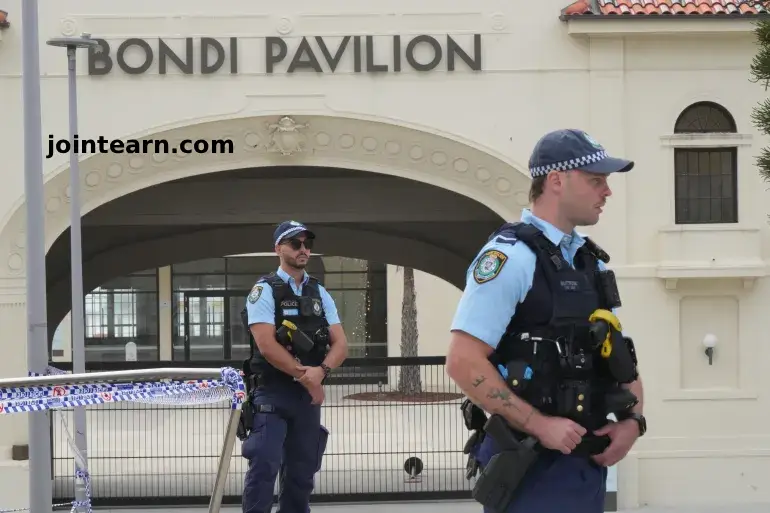
NSW Introduces Stringent Gun and Anti-Protest Laws
The state of New South Wales (NSW) has passed legislation that enforces some of the toughest gun laws in Australia and introduces extensive restrictions on public demonstrations and freedom of speech. This development comes in the wake of the Bondi Beach mass shooting, which tragically killed 15 people during a Jewish celebration in mid-December 2025.
The new Terrorism and Other Legislation Amendment Bill 2025 was approved in the early hours of Wednesday by the NSW Legislative Assembly. Among its provisions are restrictions that appear to target speech supporting Palestinian causes, sparking concerns among advocacy groups.
Key Provisions of the New Legislation
The legislation grants police expanded powers, including the ability to:
- Restrict public protests for up to three months following a terrorism declaration.
- Ban the public display of symbols associated with prohibited organizations.
- Prevent gatherings in designated areas if a person’s presence or behavior is considered to obstruct traffic or incite fear, harassment, or intimidation.
In a statement, the NSW government explained that these measures are part of a broader effort to review hate speech. For example, the phrase “globalise the Intifada”, often used in pro-Palestinian advocacy, has been cited as an example of speech that may now be prohibited.
NSW Premier Chris Minns emphasized that the changes are significant and controversial, but necessary. “Our state has changed following the horrific anti-Semitic attack on Bondi Beach, and our laws must change too,” he said.
Additionally, the new gun laws restrict ownership and use of certain firearms, allowing them only for farming purposes, which Minns described as a measure to “calm a combustible situation.”
Legal Challenges to Anti-Protest Measures
Before the legislation was even passed, three advocacy groups—Palestine Action Group Sydney, Blak Caucus (Indigenous), and Jews Against the Occupation ’48—announced they would file a constitutional challenge against the new anti-protest laws.
“These laws grant NSW Police sweeping powers to effectively ban protests,” said Palestine Action Group Sydney. They accused the government of using the Bondi attack to suppress political dissent, particularly criticism of Israel, and curtail democratic freedoms.
This comes shortly after massive protests, including more than 100,000 people marching over the Sydney Harbour Bridge against Israel’s military actions in Gaza. Courts previously overturned attempts by the NSW government to block such peaceful demonstrations.
Global Reactions and Controversy
The Bondi Beach attack has sparked global attention. Within hours, Israeli Prime Minister Benjamin Netanyahu controversially linked the shooting to Australia’s recognition of Palestinian statehood, a move made at the United Nations in September 2025.
UN Special Rapporteur Ben Saul, a human rights expert and international law chair at the University of Sydney, criticized Netanyahu’s statements, urging a “measured response” and warning against government overreach, which he said could “let terror win.”
Honoring Heroes of the Bondi Attack
In response to the tragedy, Australian Prime Minister Anthony Albanese announced plans to establish a special honours list to recognize individuals who intervened during the attack.
Among those likely to be honored are:
- Ahmed al-Ahmed, an Australian-Syrian shop owner who helped protect victims.
- Boris and Sofia Gurman, a local couple who attempted to stop the attackers but were killed.
A second unnamed Muslim man also assisted during the attack, despite being mistakenly confronted by bystanders. His lawyer, Alisson Battisson, highlighted that he may face deportation due to a past criminal record, despite his heroic actions.
Conclusion
The NSW government’s new anti-protest and gun legislation represents a significant shift in Australia’s approach to public safety and counter-terrorism. While intended to prevent future tragedies, these measures have sparked legal, political, and social debates over civil liberties, freedom of speech, and the right to protest. With constitutional challenges looming, the debate over balancing security and democratic freedoms in Australia is far from over.


Leave a Reply