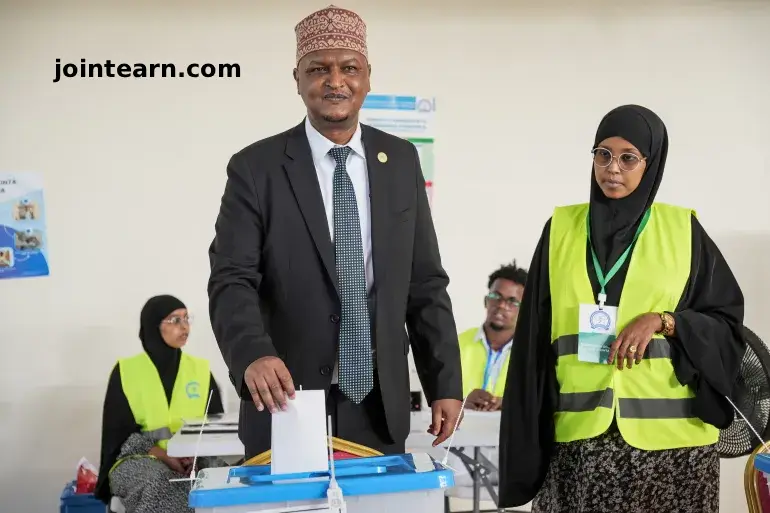
Mogadishu, Somalia – Residents of Somalia’s capital are making history by voting in local council elections, marking the first direct election in more than 50 years. Despite opposition boycotts and heightened security measures, voters lined up at polling stations across Mogadishu to choose their representatives directly for the first time since 1969.
- Election Date: Thursday, 25 December 2025
- Polling Start: 6am local time (03:00 GMT)
- Seats Contested: 390 district council positions
- Candidates: 1,605 running across 523 polling stations
Historical Context: A Milestone in Somali Democracy
Somalia last held direct elections in 1969, months before a military coup ended civilian governance for decades. After the fall of Mohamed Siad Barre in 1991 and years of civil war, Somalia adopted an indirect, clan-based electoral system in 2004. Under this system, clan representatives selected politicians, who in turn chose the president.
President Hassan Sheikh Mohamud, who previously won power twice through the indirect system, pledged in 2023 to transition the country toward universal suffrage at local, federal, and presidential levels. Parliamentary approval for constitutional reforms and the establishment of a national electoral commission laid the groundwork for Thursday’s historic vote.
“This is a new chapter in the country’s history,” said President Mohamud, urging citizens to participate.
Security Measures Amid Persistent Threats
Authorities deployed nearly 10,000 police officers and imposed a city-wide lockdown, restricting vehicle and pedestrian movement and halting flights to the main airport. Security improvements have been noted this year, but al-Qaeda-affiliated al-Shabab remains active, having carried out a major attack in October 2025.
Electoral Commission Chairman Abdikarim Ahmed Hassan reassured voters that security arrangements are “100 percent” reliable, while Information Minister Daud Aweis described the elections as a “resurgence of democratic practices.”
Opposition Boycotts and Criticism
Despite the historic nature of the vote, major opposition figures have criticized the election, calling it exclusionary and illegitimate.
- Sheikh Sharif Sheikh Ahmed: Criticized the voter registration process as flawed
- Mohamed Abdullahi Mohamed (Farmaajo): Warned of potential threats to national security
- Puntland and Jubbaland: Federal member states rejected the election framework and threatened to hold parallel polls
Mahad Wasuge, executive director of the Mogadishu-based Somali Public Agenda, described the election as “more of a symbolic vote,” noting the government’s strong influence over Mogadishu and the lack of support from international partners.
Broader Security and International Concerns
Somalia faces ongoing security challenges, particularly from al-Shabab, which launched a major offensive in February 2025, reclaiming territory lost to government forces. The UN-backed African Union peacekeeping mission continues to operate in the capital but suffers from major funding shortfalls.
The United States, Somalia’s key security partner, has expressed concerns over the deteriorating situation. Ambassador Jeff Bartos warned that Washington may reduce funding for the peacekeeping mission. Additionally, the Trump administration has recalled its ambassador to Mogadishu, signaling a downgrading of American diplomatic engagement in Somalia.
Looking Ahead
While the 2025 Mogadishu local elections mark a historic step toward democratic governance in Somalia, challenges remain. Opposition boycotts, ongoing security threats, and limited international support cast uncertainty over the long-term impact of the vote. Nevertheless, the exercise represents a symbolic attempt to restore democratic participation and rebuild trust in Somali political institutions after decades of conflict.


Leave a Reply