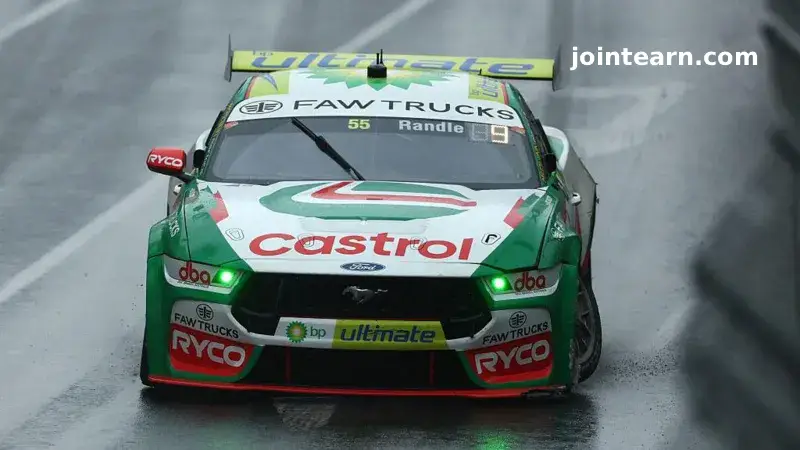
BP has finalized a $6 billion (£4.4 billion) deal to sell a majority stake in its motor oil division, Castrol, to New York-based investment firm Stonepeak. The transaction values Castrol at $10.1 billion (£7.5 billion), with BP retaining a 35% minority stake in the renowned lubricants brand.
Details of the Castrol Sale
Under the agreement, Stonepeak acquires a 65% stake in Castrol, which produces lubricants for cars, motorcycles, and industrial vehicles. BP will use the proceeds from the sale to pay down debt and streamline its operations, allowing the oil giant to concentrate on its core oil and gas business.
BP first acquired control of Castrol in 2000, and the sale marks a significant milestone in the company’s ongoing strategy to simplify its business structure and reduce costs.
Strategic Shift in BP’s Business Model
The sale of Castrol is part of BP’s broader plan to divest $20 billion (£15 billion) in assets by 2027. In February, the company announced its intentions to sell non-core divisions and focus on strengthening its balance sheet and profitability in the traditional oil and gas sector.
This shift comes amid investor pressure to prioritize profit generation over green energy investments. Similar moves have been observed by rivals such as Shell and Equinor, who have scaled back green energy spending. Additionally, political support for fossil fuel development, highlighted by former US President Donald Trump’s “drill baby drill” stance, has influenced industry trends.
Leadership Changes at BP
The Castrol sale comes shortly after BP announced the appointment of Meg O’Neill as its first female CEO, who will assume her role in April 2026. Her appointment follows recent leadership changes, including a new chairman, Albert Manifold, and CEO transitions from Bernard Looney to Murray Auchincloss, underscoring a period of rapid executive restructuring.
Previous Divestments and Strategic Moves
Wednesday’s transaction is part of a series of BP divestments, including the sale of its US onshore wind energy assets and its Dutch mobility and convenience business. Interim CEO Carol Howle described the sale as “a very good outcome for all stakeholders,” noting that the company is reducing complexity and focusing on integrated downstream businesses.
Russ Mould, investment director at AJ Bell, called the deal “an early Christmas present for BP shareholders,” emphasizing that the proceeds will help reduce BP’s debt burden and bring the company closer to its $20 billion divestment target.
Market Reaction
Following the announcement, BP shares opened higher on Wednesday morning before settling slightly, reflecting investor optimism about the company’s strategy to focus on core oil and gas operations while reducing exposure to non-core businesses.
The Castrol sale highlights BP’s ongoing transformation, balancing traditional energy profits with strategic divestments and operational simplification in an evolving global energy market.


Leave a Reply