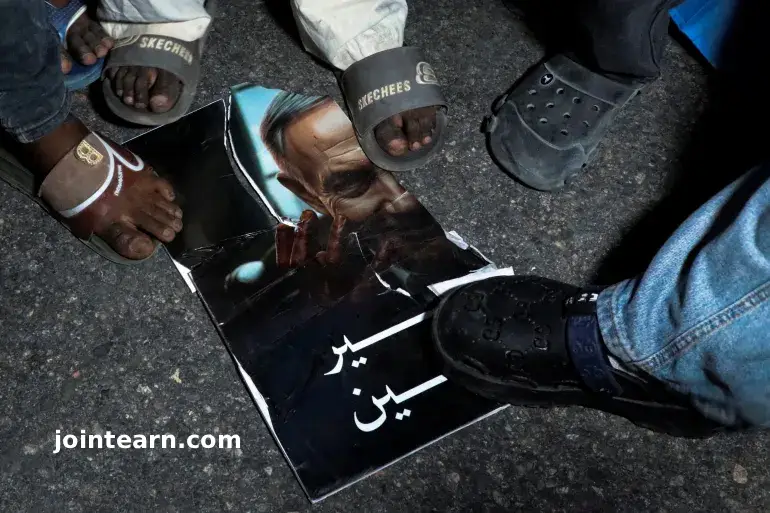
Somalia has strongly condemned Israel’s recent recognition of Somaliland as an independent state, describing it as a “direct and grave threat to international peace and security.” The Somali government has warned that this move could destabilize the Horn of Africa and undermine long-standing international norms surrounding sovereignty.
Israel Becomes First Country to Recognize Somaliland
Last week, Israel became the first country to officially recognize the self-declared Republic of Somaliland as an independent and sovereign state. Israeli officials cited the move as aligned with the spirit of the United States-brokered Abraham Accords, which had previously normalized ties between Israel and several Arab countries.
The Somali government, however, views the recognition as a violation of its territorial integrity and sovereignty. In a formal letter to the United Nations Security Council (UNSC) on Monday, Somalia condemned Israel’s action as “morally indefensible” and warned of potentially serious consequences for regional stability.
“Israel’s actions not only set a dangerous precedent but risk destabilizing the Horn of Africa and the Red Sea region, threatening both regional and international peace and security,” Somalia’s letter stated.
Concerns Over Forced Relocation of Palestinians
Somalia also expressed concern that Israel’s recognition of Somaliland could serve as a pretext for relocating Palestinians to northwestern Somalia. This has raised alarm about possible demographic and political changes in the region that could exacerbate tensions.
Abu Bakr Dahir Osman, Somalia’s permanent representative to the UNSC, emphasized that Somaliland has no legal authority to enter agreements with other states.
“This act of aggression aims to promote the fragmentation of Somalia and must be rejected and condemned unequivocally by all Member States,” Osman said.
International Responses: Support for Somalia’s Sovereignty
Several countries have reaffirmed their support for Somalia’s territorial integrity and rejected Israel’s unilateral recognition of Somaliland.
- United Kingdom: The UK reiterated that it does not recognize Somaliland’s independence and called for cooperative efforts between the Federal Government of Somalia and Somaliland authorities to tackle shared threats.
- China: Chinese officials urged the international community not to support separatist movements for self-interest, highlighting the dangers of external interference.
- South Africa: The South African Department of International Relations and Cooperation emphasized that a united Somalia is crucial for regional stability.
Despite international criticism, some countries defended Israel’s diplomatic decision. Tammy Bruce, the US deputy representative to the UN, argued that Israel has the right to establish diplomatic relations like any sovereign nation. She also highlighted perceived double standards by the UNSC regarding the recognition of other disputed territories, such as Palestine.
Background: Somaliland’s Quest for Recognition
Somaliland declared independence from Somalia in 1991, following a civil war under military ruler Siad Barre. The region maintains its own constitution, currency, and flag, controlling much of northwestern Somalia. Despite its long-standing self-governance, Somaliland’s independence has not been widely recognized internationally, with most countries continuing to regard it as part of Somalia.
For over three decades, Somaliland has sought international recognition, arguing that it represents a stable and functioning government compared to the rest of Somalia, which has faced recurring conflict and political instability.
Potential Implications for Regional Stability
Analysts warn that Israel’s recognition of Somaliland could reshape geopolitical dynamics in the Horn of Africa. The move risks emboldening separatist movements, heightening tensions between neighboring countries, and drawing international actors into regional disputes. Somalia’s government has urged the international community, particularly the UNSC, to uphold Somalia’s sovereignty and reject unilateral recognition of breakaway regions.
The situation remains fluid, with global powers closely monitoring developments as Somaliland continues to press for international acceptance while Somalia fights to maintain its territorial integrity.


Leave a Reply