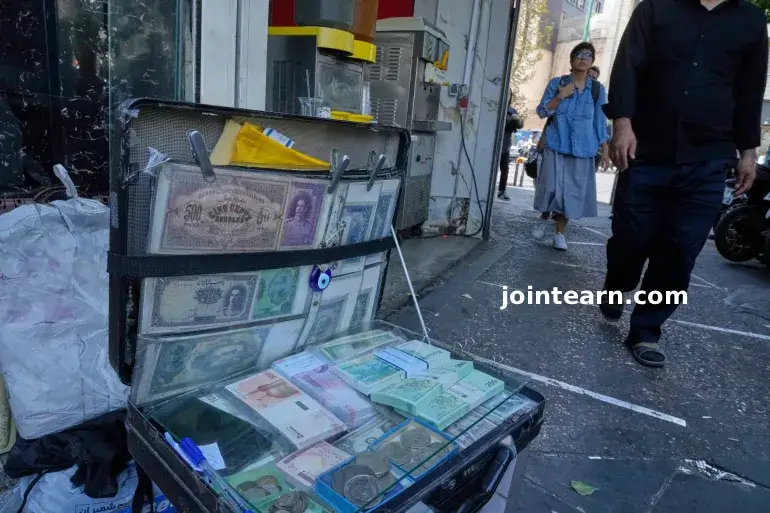
Multiple protests have erupted in Tehran as Iranians face worsening economic conditions, a collapsing currency, energy shortages, a severe water crisis, and deadly pollution. Business owners closed shops in downtown areas, while demonstrators chanted slogans against economic mismanagement, highlighting growing public frustration.
Tehran Protests Triggered by Economic Crisis
Protests began near major tech and mobile shopping centers in Tehran’s Jomhouri area, with shopkeepers closing businesses and urging others to follow. Demonstrators chanted slogans such as “Don’t be afraid, we are together,” emphasizing solidarity amid a worsening national crisis.
Videos circulating on social media show similar gatherings across downtown Tehran and surrounding neighborhoods. Authorities deployed heavily armed anti-riot forces and used tear gas to disperse crowds. Many businesses in the Grand Bazaar also shut their doors in solidarity.
State media, including IRNA, framed the protests as motivated purely by economic concerns rather than opposition to Iran’s theocratic government, emphasizing that vendors were reacting to the rapid depreciation of the Iranian rial.
Iranian Currency Plummets
The Iranian rial hit a historic low of over 1.42 million per US dollar, before slightly regaining value. The freefall in purchasing power has severely squeezed Iranians, affecting over 90 million citizens who are increasingly unable to meet basic living expenses.
Energy, Water, and Pollution Crisis
Economic troubles are compounded by longstanding infrastructure and environmental crises:
- Energy crisis: Frequent electricity and fuel shortages contribute to industrial stagnation.
- Water scarcity: Most dams feeding Tehran and other major cities remain near-empty, leaving millions without adequate water.
- Air pollution: Tehran suffers from lethal pollution, claiming tens of thousands of lives annually.
Additionally, internet access remains heavily restricted, limiting the public’s ability to organize or seek information.
International Pressure and Nuclear Concerns
Iran’s economic woes are further exacerbated by foreign pressure over its nuclear program. In June, Israel and the US conducted airstrikes during a 12-day conflict that killed over 1,000 people, including civilians, top military commanders, and nuclear scientists, and damaged much of Iran’s nuclear infrastructure.
The International Atomic Energy Agency (IAEA) has since been denied access to several facilities, and diplomatic efforts to ease tensions have stalled.
Historical Context of Protests
Iran last witnessed widespread protests in 2022 and 2023, following the death of Mahsa Amini, which sparked nationwide demonstrations. These earlier protests resulted in hundreds of deaths, over 20,000 arrests, and several executions, with authorities blaming foreign interference.
Government Response
In parliament, President Masoud Pezeshkian defended a controversial budget bill amid skyrocketing inflation, now around 50%. The bill proposes a 20% wage increase, alongside a 62% rise in taxes, sparking criticism from lawmakers and citizens. Pezeshkian admitted the difficulty of balancing fiscal responsibilities under current conditions:
“They tell me you’re taxing too much, and they’re saying you must increase wages. Well, somebody tell me, where do I get the money from?”
Summary
Iran faces a multi-layered crisis: economic collapse, skyrocketing inflation, energy and water shortages, lethal pollution, and international sanctions. Protests and strikes are likely to continue as citizens demand urgent reforms and relief.


Leave a Reply