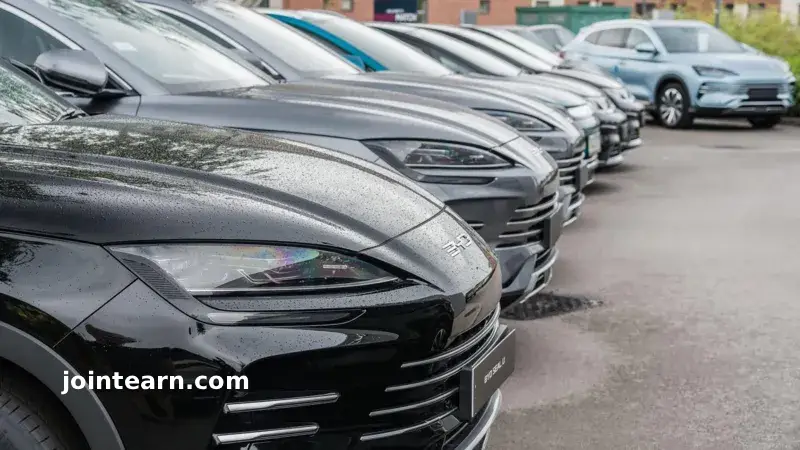
In a major shake-up of the global electric vehicle (EV) market, China’s BYD has officially surpassed Tesla to become the world’s largest EV seller, highlighting the growing dominance of Chinese automakers in the rapidly expanding green vehicle sector.
BYD’s Record-Breaking EV Sales
BYD, headquartered in Shenzhen, China, reported sales of over 2.25 million electric vehicles in 2025, marking a nearly 28% increase compared with the previous year. By contrast, Tesla’s global deliveries fell to 1.64 million vehicles, a 9% decline, placing the American EV giant in second place for the first time in annual sales history.
The Chinese firm’s surge was driven by affordable pricing, strategic expansion in overseas markets, and growing consumer demand for battery-powered vehicles. BYD’s aggressive growth underscores its position as a global EV powerhouse, particularly in markets such as Latin America, Southeast Asia, and Europe.
Tesla Faces Challenges
Tesla experienced its second consecutive year of declining deliveries, with sales dropping 16% in the final quarter of 2025. Analysts attribute the slowdown to several factors:
- The removal of US government subsidies, which had previously reduced vehicle prices by up to $7,500 (£5,570).
- Increasing competition from Chinese EV manufacturers such as BYD, Geely, and MG.
- Mixed reception to Tesla’s latest models and unease over Elon Musk’s political activities and multiple business commitments.
Tesla attempted to boost sales by launching lower-priced versions of its top models in the US, but the move was not enough to counter BYD’s rapid growth.
Global Expansion and Market Strategies
Despite slower growth in its domestic Chinese market, BYD has expanded aggressively internationally. In October 2025, the company reported that the UK became its largest market outside China, with sales surging 880% year-on-year, largely driven by the plug-in hybrid Seal U SUV.
BYD’s pricing strategy, often undercutting competitors, has helped it penetrate multiple markets despite tariffs on Chinese EVs. Its combination of affordable models and robust production capacity has cemented its global leadership in EV sales.
Meanwhile, Tesla’s ambitious plans for self-driving technology and Robotaxi deployments in 2026 are expected to play a key role in maintaining profitability. Analysts at Wedbush Securities predict Tesla could control 70% of the self-driving vehicle market over the next decade, though competition and regulatory hurdles remain.
Elon Musk’s Multi-Faceted Commitments
Tesla CEO Elon Musk has juggled multiple ventures, including:
- SpaceX, the private aerospace company
- X, the social media platform formerly known as Twitter
- The Boring Company, focused on tunnel construction
- Brief involvement with US government roles in 2025
These commitments, combined with his ongoing Tesla projects, have led some investors to question whether Musk has been fully focused on EV production. Nonetheless, Tesla remains highly profitable despite the sales slowdown.
The Global EV Market Outlook
The rise of BYD highlights broader trends in the electric vehicle industry:
- China is rapidly becoming the dominant force in EV manufacturing.
- Affordability and accessibility remain key drivers for global adoption.
- Innovation in battery technology and hybrid options continues to shape the market.
- International expansion will determine long-term dominance, especially in Europe, North America, and emerging markets.
While Tesla continues to lead in profitability and brand recognition, BYD’s aggressive growth and competitive pricing signal a shift in the EV landscape. Analysts predict that global EV competition will intensify in 2026, with new players entering the market and existing manufacturers accelerating innovation to capture market share.


Leave a Reply