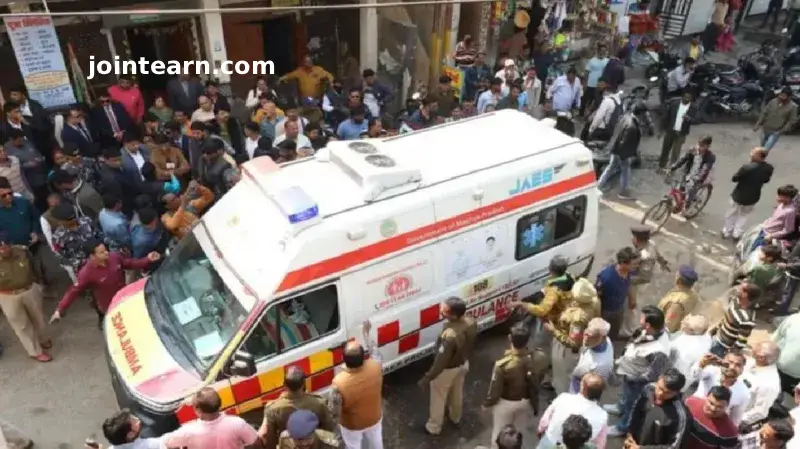
Families in Indore, a city in India’s central Madhya Pradesh state, are mourning the deaths of multiple residents after a diarrhoea outbreak caused by contaminated tap water. Over 200 people have been admitted to hospitals, and authorities are investigating a possible link between a broken pipeline and sewage contamination in the Bhagirathpura neighborhood.
The Story of a Lost Infant
One of the victims, a five-month-old baby named Avyan, reportedly fell ill after consuming a mixture of cow’s milk diluted with tap water. His father, Sunil Sahu, explained that although the water was boiled before feeding, the infant developed diarrhoea on 26 December and died within three days despite medical treatment.
“We knew the tap water was unsafe, but we never imagined it could kill someone,” Sahu said.
Avyan’s tragic death highlights the dangers of contaminated drinking water, even when precautions such as boiling are taken.
Scale of the Outbreak
The outbreak has affected thousands of residents. Health authorities screened around 40,000 people in Bhagirathpura over the past week, identifying approximately 2,450 cases of vomiting and diarrhoea.
While postmortem reports confirm four deaths linked to contaminated water, local journalists suggest the death toll could be as high as 14, with families reporting multiple fatalities among infants, the elderly, and other vulnerable populations.
Affected families include:
- Nandalal Pal, 76, who died after a severe diarrhoea attack
- Seema Prajapat, whose family attributes her death to contaminated tap water
- Sanjay Yadav’s mother, who passed away within 24 hours of falling ill
Government Response
Madhya Pradesh authorities have confirmed that a pipeline leak caused sewage to mix with drinking water, triggering the outbreak. Officials acted swiftly to:
- Repair the broken pipeline
- Inspect other water sources for contamination
- Dismiss one municipal officer and suspend two others
Chief Minister Mohan Yadav stated:
“It should not have happened in the first place. We have set up a committee to investigate the matter, and no stone will be left unturned to ensure this does not happen again.”
Meanwhile, the local municipal corporation is providing water through tankers, and residents are being advised not to use tap water until further notice.
Public Outrage and Political Fallout
Indore, often ranked as one of India’s cleanest cities, is now at the center of public anger. Opposition politicians have accused the ruling Bharatiya Janata Party (BJP) of mismanagement and of attempting to hide the true scale of the crisis.
Jitu Patwari of the Congress Party criticized the government:
“Indore has consistently voted for the BJP, but instead of clean water, they have given poisoned water to the people.”
Local residents say complaints about foul-smelling and contaminated water had been raised for more than two months before the outbreak, with no effective action taken.
Health Risks and Safety Measures
Contaminated water is a major public health risk, especially in densely populated urban areas. Officials are urging residents to:
- Avoid using tap water until cleared
- Boil water before consumption
- Seek immediate medical attention if experiencing vomiting or diarrhoea
The outbreak underscores the importance of safe drinking water infrastructure in preventing waterborne diseases, particularly in lower-income neighborhoods like Bhagirathpura.
Conclusion
The Indore water contamination tragedy has claimed multiple lives, sickened thousands, and raised serious questions about the state of India’s urban water supply systems. Families continue to grieve as authorities work to contain the outbreak and prevent future incidents, while political leaders face scrutiny over the city’s failing water infrastructure.
The incident serves as a grim reminder of the vital importance of safe drinking water and public health vigilance.


Leave a Reply